
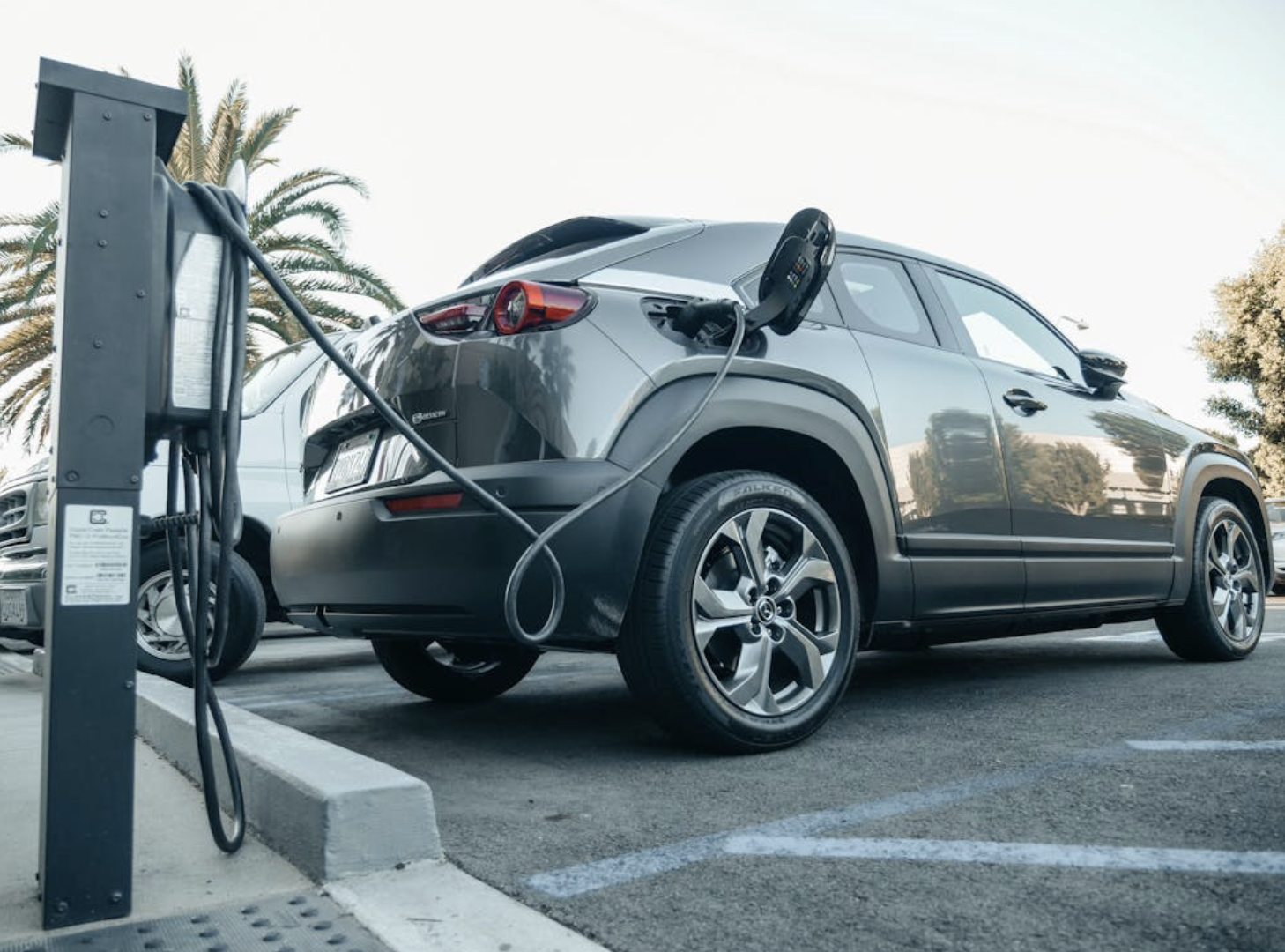
Toronto’s EV adoption is climbing, public chargers are expanding, and more first-time owners are figuring out what daily life looks like without gas stations. The City of Toronto’s TransformTO strategy targets net-zero emissions by 2040 and aims for 30% of registered personal vehicles to be electric by 2030. That growth is visible in parking garages, condo boards, and curbside charging posts across the city.
Owning an EV in your first year comes with a learning curve. Charging replaces fueling. Software updates happen in your driveway. A small windshield chip can affect driver-assistance cameras. In this blog, we’ll walk through practical EV maintenance steps for Toronto drivers, covering apps, home charging costs, tyre and brake care, and what to know about windshield repair.
The First-Year Baseline For Electric Vehicle Maintenance
EV maintenance focuses on different components than a gas vehicle. There are no oil changes. There is still regular mechanical care.
Tyres carry more weight because of the battery pack. Instant torque adds stress during acceleration. Check cold tyre pressure monthly. Rotate tyres based on the interval in your owner’s manual. Uneven wear often shows up sooner if alignment is slightly off after a winter of potholes.
Brakes also need attention. Because regenerative braking handles much of the slowing, pads and rotors can develop surface rust, especially in humid or salty conditions. A yearly brake service to clean and lubricate calipers is reasonable in the GTA climate.
Keep the list simple. Electric car maintenance in year one usually means tyres, brakes, cabin filters, wiper blades, and software updates.
Apps, Accounts, and EV Charging Stations in Toronto
Public EV charging stations in Toronto are operated by multiple networks. That leads to multiple apps unless you plan ahead.
Use your manufacturer’s app for battery status, charging limits, and preconditioning. Add one community-based map to check real-time reports before heading to a charger. Choose one primary network account with stored payment details to reduce friction at the plug.
The Ontario Energy Board lists a wide spread between Ultra-Low Overnight electricity rates at 3.9¢/kWh and weekday on-peak rates at 39.1¢/kWh. Charging habits directly affect what you pay over the year.
A practical setup for EV charging apps:
- Identify two reliable chargers near home and one near work.
- Confirm recent check-ins before driving to a low-battery stop.
- Keep one physical payment method available if an app stalls.
- Learn which stalls fit your port location to avoid blocking others.
Time management overlaps with vehicle care. For EV owners juggling charging routines, software updates, and daily commuting, mobile auto glass support can be a practical option when a chip or crack needs attention without taking the car out of service for half a day. That flexibility helps when your charging window is planned around off-peak rates.
If you are trying to save money, overnight scheduling does most of the heavy lifting.
Home Charging Costs At A Glance
Most charging happens at home. Level 1 works for short daily distances. Level 2 shortens charging time and feels more predictable.
Here is how Ontario’s time-of-use structure compares:
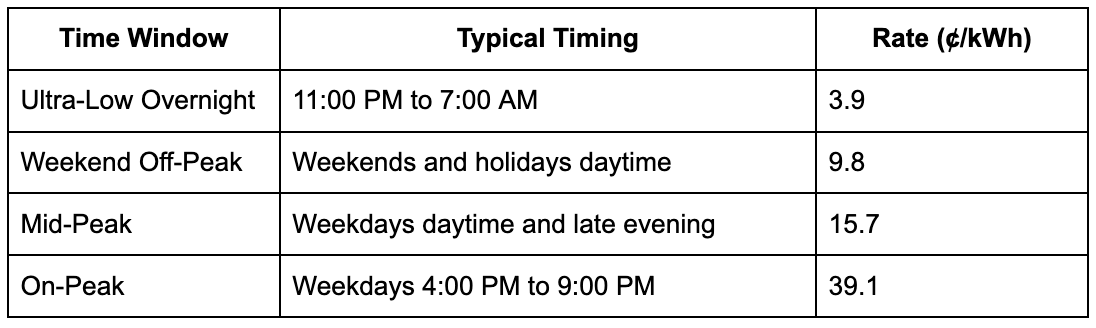
Scheduling the vehicle to charge after 11:00 PM keeps costs down. Many vehicles allow you to set this directly in the infotainment system.
Condo residents should confirm panel capacity and installation rules early. Street-parked drivers will rely more heavily on public infrastructure, so building a weekly charging rhythm is useful.
Battery Limits And Winter Reality
Battery health benefits from moderation. Research says that lithium-ion packs experience more stress at extreme states of charge. Many owners set a daily limit around 80% and only charge to 100% before a longer drive.
Winter reduces range. The Canadian Automobile Association documented real-world winter range drops between 14% and 39% across several EV models. That gap is noticeable during a February commute.
A few habits help:
- Precondition the cabin while plugged in.
- Rely on heated seats and steering wheel before increasing cabin temperature.
- Leave buffer range during snow events or heavy traffic days.
Software updates often include thermal management refinements. Connect the vehicle to a stable home Wi-Fi network so updates install without interruption.
Tyres, Brakes, And Ongoing Electric Car Maintenance
Routine EV maintenance can stay straightforward.
- Check tyre pressure monthly, especially during seasonal temperature swings.
- Rotate tyres within the recommended kilometre range.
- Book an annual brake inspection and cleaning before winter salt exposure.
- Inspect suspension components if you notice new vibration or noise.
These steps protect range, ride quality, and resale value. When everything is aligned and maintained, the driving experience remains responsive and quiet, which many owners describe as awesome to drive.
Windshield Repair, Sensors, And Calibration
Modern EVs place cameras and sensors behind the windshield. After a replacement, calibration may be required so advanced driver assistance systems track accurately. Research says that even a one-degree camera misalignment can translate into a several-foot tracking error at 100 feet.
Address chips early. Temperature swings and vibration can cause spreading. If you commute between Toronto and the west end of the GTA, windshield repair in Burlington is often part of the search for convenient service.
Before booking, confirm whether calibration is included if required by the manufacturer. Documentation helps with warranty and insurance records.
Final Thoughts
First-year EV ownership in Toronto becomes manageable once routines are in place. Set a charging schedule that aligns with lower electricity rates. Keep tyre and brake maintenance on a calendar. Treat windshield repair as part of overall electric vehicle maintenance, and not an afterthought.Small, consistent actions reduce surprises, control operating costs, and keep safety systems working as designed. If you want to explore more local perspectives and driving insights, spend some time in the blog archives.