
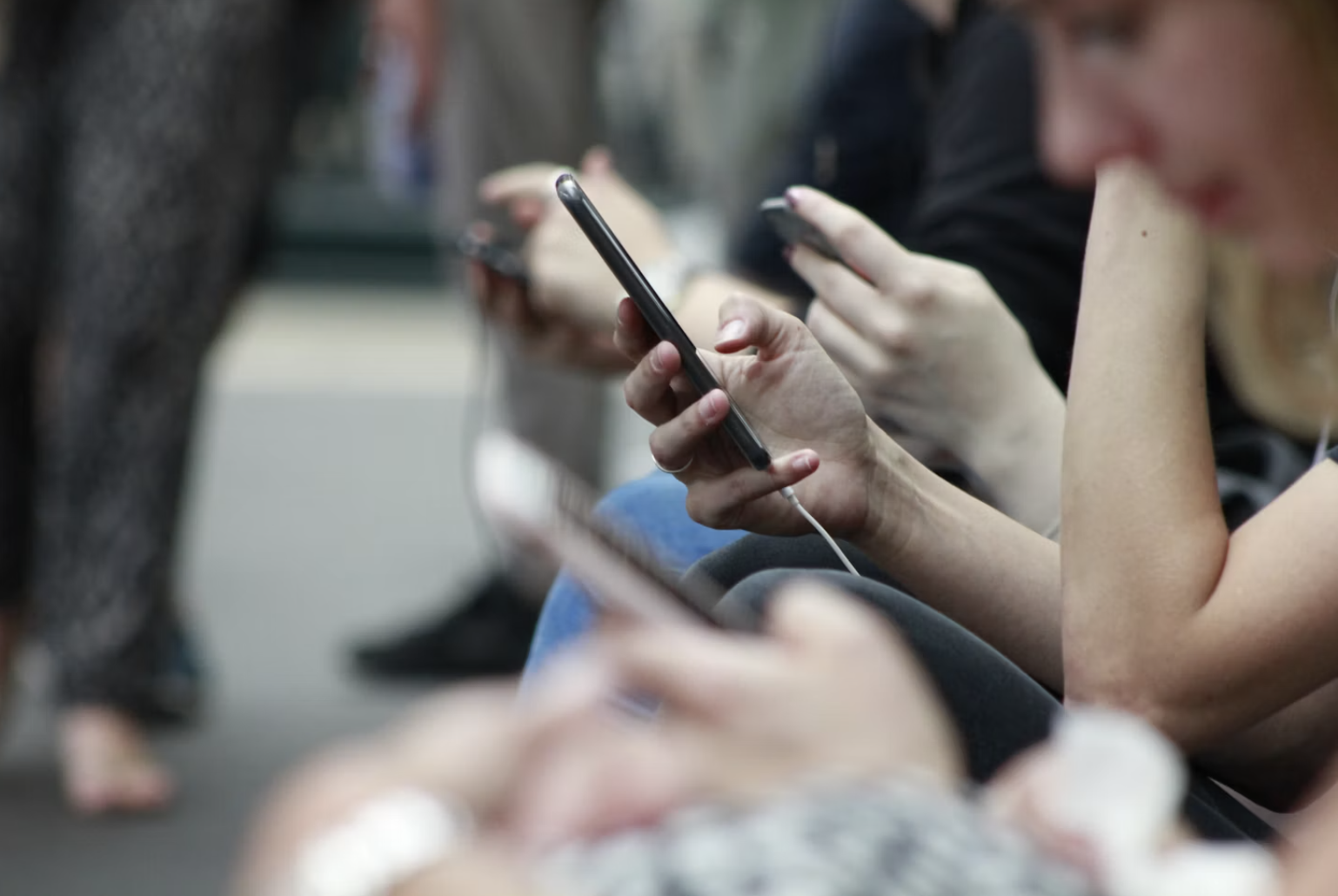
Entertainment used to depend much more heavily on where somebody happened to be. Watching shows meant sitting near a television. Console gaming normally meant being at home. Audio entertainment often involved carrying a separate device (remember the Walkman?)
Mobile technology has scrambled that arrangement.
A modern phone can now act as a doorway into cloud-based entertainment. Better mobile internet and more powerful processors have also made the experience feel far less like a compromise than it once did.
The biggest change is not simply that entertainment has become portable. It now fits into smaller gaps in everyday life.
Gambling Games Have Become Easier to Fit Into Short Sessions
Casino gaming is one area where mobile technology has had an especially obvious impact.
Many gambling games naturally suit short sessions because the action happens in compact rounds. A hand of blackjack or video poker can be completed quickly. Slots revolve around individual spins that can be over in seconds.
That format transferred neatly to smartphones.
People can access casino games through mobile browsers and dedicated platforms wherever they have a suitable connection. No need to head to a physical venue. Many games do not require large downloads either.
This has also influenced the way casino games are designed.
Buttons need to work comfortably on touchscreens and information has to remain readable on a small display. Things like bonus features cannot depend on complicated controls. Developers have become particularly good at fitting information onto a small device. The selection of games at Sportaza online casino shows just how many options players now have. Games can be tailored to suit the time someone has available (and work on smaller screens).
Podcasts Turn Ordinary Moments Into Entertainment Time
Podcasts have benefited from portability in a completely different way.
Their real strength is that they do not demand a screen.
A podcast can accompany a commute or almost any other activity that leaves enough attention for listening. Phones brought that kind of audio entertainment into everyday routines without requiring much planning. Genres like comedy took off in popularity. Who wouldn’t want to listen to a podcast with a comedy legend?
There is no need to choose shows hours beforehand or carry a separate collection. Podcast apps can stream episodes directly. People can also store them for later and automatically keep track of where listening stopped.
The amount of choice has expanded enormously too. Spotify’s huge podcast library offers over 7 million titles.
Cloud Gaming Has Made Console Games More Portable
Traditional video games once had a fairly obvious hardware problem.
A demanding console or PC game needed powerful hardware sitting right beside the screen. Cloud gaming has started to loosen that connection.
Services such as Xbox Cloud Gaming can run games on remote hardware and stream the result to another device. Controller inputs travel in the opposite direction. They allow the player to interact with the game even though most of the processing is happening elsewhere.
That opens some curious possibilities.
A large console game can potentially be played through a phone or compatible handheld device without installing the full game locally. Storage becomes less of an issue.
Portable gaming hardware has grown alongside this trend.
Devices such as PlayStation Portal and handheld gaming PCs have made it increasingly normal for somebody to have a large home gaming setup while also owning a way to continue playing elsewhere in the house or away from the main screen.
Mobile gaming no longer automatically means a simplified mobile game.
Sometimes it means the same enormous adventure, just on a much smaller display.
Streaming Video Has Turned the Phone Into a Pocket Television
Film and television provide perhaps the most familiar example of mobile entertainment changing habits.
Streaming services removed the need for entertainment to be tied to broadcast schedules, but smartphones pushed the idea further by removing the fixed screen too.
A television series can start on a living-room television and continue later on a phone or tablet.
That has encouraged different viewing habits.
It is possible to watch full films on mobile devices. But some people use them mainly for shorter programs or episodes during journeys. Tablets have created another middle ground. They tend to have a screen large enough to make longer viewing comfortable without requiring a permanent setup.
Video platforms have also made short-form entertainment enormous.
A few spare minutes can now be filled with comedy clips or creator-made videos. The difference between “watching television” and simply watching something has become increasingly blurry.
Even live entertainment has become portable.
Concerts and major events can all be watched through the same device used for messaging or checking email moments earlier.
Entertainment Now Follows People Around
Mobile technology has not simply made existing entertainment smaller. It has changed when and how it gets used. The common thread is flexibility.
Entertainment used to ask people to go somewhere specific or set time aside. This is no longer the case.
Perhaps the biggest change created by mobile technology is how quickly entertainment can change form.
A train journey might begin with a podcast then switch to a game and finish with an episode of a television series. That would once have required several separate pieces of equipment.
Phones have also made entertainment less dependent on planning ahead. Cloud libraries and streaming mean much of the content does not need to be physically stored on the device at all.