Cosmetic injectables used to be something people kept quiet about. Now neuromodulators and laser facials get squeezed between spin class and brunch, and wellness businesses across the GTA keep popping up faster than anyone can review them. Some are run by experienced physicians. You'll also find plaza units off the 401 where the fanciest equipment is a ring light.
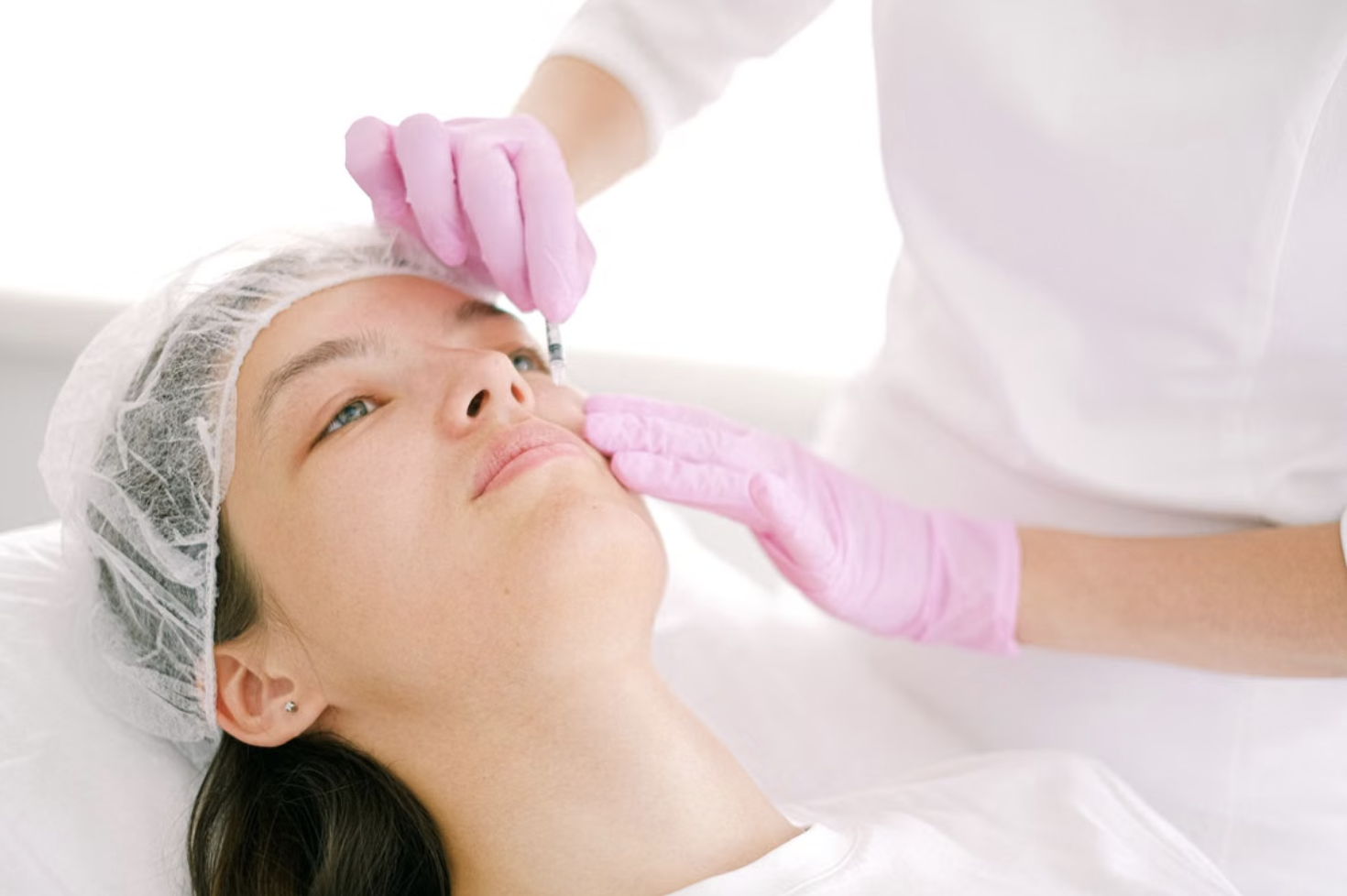
Picking a medical aesthetics clinic deserves more homework than picking a nail salon. You're letting someone put a needle, a prescription drug or a heat-generating device to work on your face. Health Canada oversees the products and devices, while provincial colleges oversee the people using them, and that split leaves a lot of the checking to you.
Devices Are Only as Good as the Settings
Clinic ads love to put the machine front and centre. Its brand name gets the big font, and the person operating it barely gets a mention. Yet results and burns come down to the operator's choices on depth, energy, and cooling.
Skin tone plays a big part. A 2026 review of noninvasive treatments found that people with Fitzpatrick skin types IV to VI face a higher risk of pigment changes after lasers, peels and similar procedures, and the authors favoured lower energy settings that build up gradually. Clinics offering RF microneedling treatments should be able to explain how depth and energy change with your skin type.
The device itself needs a medical device licence from Health Canada. After seizing dozens of unauthorized products from a North York clinic in 2019, Health Canada told consumers to search the Medical Devices Active Licence Listing, known as MDALL, or call 1-800-267-9675.
Good aftercare is concrete: written instructions, a number to call and a reminder to keep heat-treated skin out of the sun, ideally under a broad-spectrum sunscreen you'll wear every day.
Look Up the Person Holding the Needle
Job titles in medical aesthetics can be slippery. "Master injector" sounds official, yet certificates from private training academies aren't licences, and regulators judge competence on verified training and how well someone handles complications.
Regulated health professionals in Canada appear on public registers run by their provincial colleges. In Ontario, that means the College of Physicians and Surgeons of Ontario register for doctors and the College of Nurses of Ontario's Find a Nurse tool. Search the full legal name, then look for an active licence and any practice restrictions or discipline.
A nurse injector can be excellent, though the rules around them vary by province. Ontario nurses need an authorizing physician or nurse practitioner when a procedure involves a controlled act or a prescription drug. Quebec goes further. There, a physician must assess you and write an individual prescription for your treatment before a nurse can inject, rather than relying on a blanket directive.
Before booking, find out who the prescriber is and whether you'll actually meet them.
So, Are Fillers Safe?

Mostly, when the product is real and the injector knows facial anatomy. Counterfeits are the wild card, and they borrow the names of brands you'd recognize. In August, Health Canada seized counterfeit dermal fillers from a Hamilton beauty lounge and repeated advice anyone can follow: ask whoever is injecting you to show you the product label.
Every injected product sold in Canada needs Health Canada authorization, either as a drug with a DIN or as a medical device with a licence or related authorization, depending on the product type. That message also came out of a 2018 seizure at Revoskin in Vancouver, where Health Canada pointed people to MDALL and other public product databases. Neuromodulators carry an eight-digit Drug Identification Number you can look up in the Drug Product Database. Fillers count as medical devices, so they belong in MDALL.
Pass on cosmetic injections drawn from a vial with no box, a label in neither English nor French or a prefilled syringe that appears from a drawer. Complications are rare but serious. Filler accidentally injected into a blood vessel can block blood flow, and clinics using hyaluronic acid fillers should keep hyaluronidase, the enzyme that dissolves it, on site.
Read the Room at Your Consultation
A real consultation feels like a medical appointment. Expect questions about medications, blood thinners, cold sores and past treatments, plus baseline photos and an unhurried talk about risks. Ontario's nursing college released new aesthetics guidance in July that drew mixed reactions from Sudbury clinics, and one expectation is easy to check: nurses need a plan for emergencies. Ask to hear it. A follow-up visit around two weeks after a neuromodulator, or within a month of filler, should be pencilled in before you leave.
Then there's the bill. Per-unit billing for neuromodulators can show how much product you're getting, and an itemized quote should list the consultation fee, product cost, and follow-up visits. A deal that undercuts every other clinic in the city can point to grey-market product or a missing prescriber.
Whether the sign says medical spa or clinic, walk out if you notice any of these:
- Pressure to book the same day or buy a package before the promo ends
- Promises of zero downtime or results that are "completely risk-free"
- No physician or nurse practitioner ever reviewing your health history
- Unlabelled syringes or a product box nobody will show you
- Treatments offered at a house party, hotel room or pop-up event
Good injectors also say no. Some patients arrive wanting every line smoothed away, and good clinicians steer them toward a face that still moves, which gets easier once you've made peace with how bodies change over time.
Before You Book Anything
Most of what separates a good medical aesthetics clinic from a risky one can be checked from your couch: the register, the prescriber, the product label and the device licence. None of them takes longer than a coffee run on Queen Street.
Give it the attention you'd give any other health decision, whether that's vetting a physiotherapist or figuring out how to prevent a stiff neck after months hunched over a laptop. Questions cost nothing, and clinics that bristle at basic ones have already told you what you need to know.