Image Credit: Pexels
Public transit is the backbone of urban life, connecting communities and providing essential mobility for millions. While it's a vital service, ensuring the safety of every passenger and employee across sprawling networks of buses, trains, and stations is a complex task. As ridership patterns shift and public expectations evolve, transit agencies are increasingly turning to technology to create a safer and more secure environment for everyone.
Challenges in Transit Security
Securing a public transit system presents unique difficulties. Unlike a single building with clear entry and exit points, a transit network is a vast, open system with thousands of access points spread across a city. This includes underground stations, at-grade platforms, sprawling bus depots, and miles of track. The sheer volume of people moving through these spaces daily makes monitoring for security threats a significant challenge.
Incidents can range from petty theft and vandalism to more serious altercations and medical emergencies, highlighting the need for increased public safety. Agencies must also prepare for large-scale disruptions, whether from technical failures or security events. The need for effective transit safety and crime prevention programs is clear, but traditional security methods often fall short in such dynamic environments. Responding to an incident on time requires knowing where and when it's happening, which is difficult without a comprehensive, real-time view of the entire system.
Integrated Solutions for Railways
Modern transit security goes far beyond simply installing cameras. The key is integration. Today's railway and bus networks use a variety of technologies, including IP cameras, access control for restricted areas, and onboard communication systems. The problem is that these systems often operate in isolation, creating data silos that hinder a coordinated response.
An integrated platform connects these disparate systems into a single, cohesive whole. For example, a modern video management system can help security teams centralize video feeds, monitor live footage, review recorded incidents, and coordinate responses from one interface. When an emergency occurs on a train or at a station, having relevant video and other security information available through a unified system can give operators greater situational awareness and help them determine the appropriate response.
Improving Passenger Experience
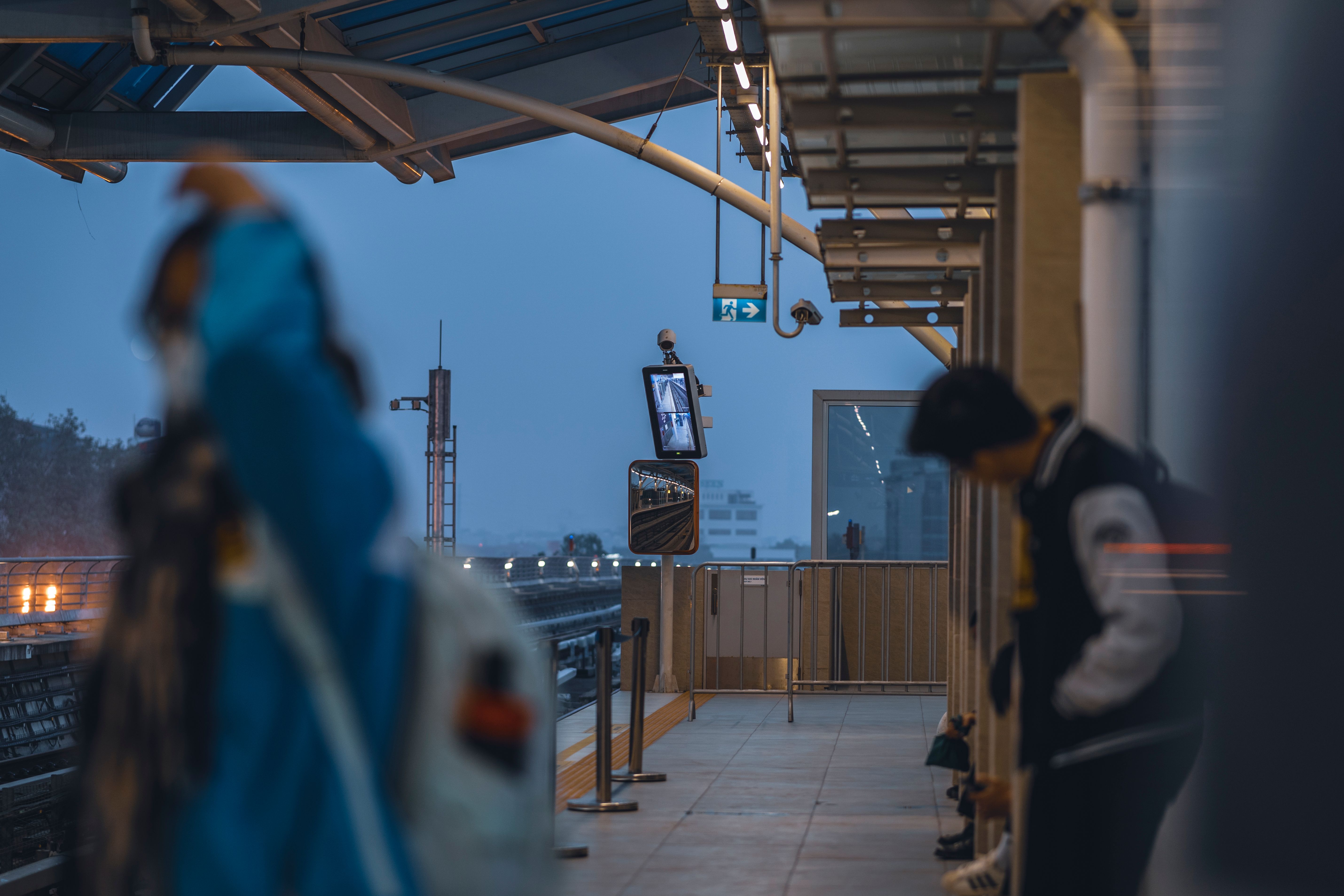
Technology's role in transit safety isn't just about responding to incidents; it's also about preventing them and making passengers feel more secure. When riders feel safe, they are more likely to choose public transit, which benefits the entire community. Visible security measures like high-definition cameras and well-lit stations act as a deterrent.
Beyond surveillance, technology enhances the passenger experience in other ways that contribute to a sense of safety. Real-time tracking apps let riders know exactly when their bus or train will arrive, reducing time spent waiting on platforms. Digital signage provides clear information during service disruptions, helping to manage crowds and reduce passenger anxiety. Emergency intercoms and discreet reporting apps empower riders to alert authorities to problems without drawing attention to themselves. These tools work together to create an environment where passengers feel informed, supported, and protected.
The Future of Transit Monitoring
The evolution of transit security is accelerating, with new technologies promising even greater capabilities. Artificial intelligence is at the forefront of this transformation. AI-powered analytics can monitor video feeds to proactively identify potential security risks without requiring constant human oversight. For example, the software can be trained to detect abandoned baggage, unusual crowd formations, or individuals loitering in restricted areas.
This proactive approach allows security personnel to intervene before a situation escalates. The use of AI in public transit extends beyond security to improve operational efficiency, such as by analyzing passenger flow to optimize schedules. Other emerging technologies like body-worn cameras for transit officers and drones for track inspection are also becoming valuable tools. As these technologies become more integrated, they will provide transit agencies with a more complete and intelligent view of their operations.
Ultimately, technology serves as a powerful force multiplier for transit agencies. It enables them to better protect their assets, support their employees, and, most importantly, provide a safe and reliable service that passengers can depend on every day.