
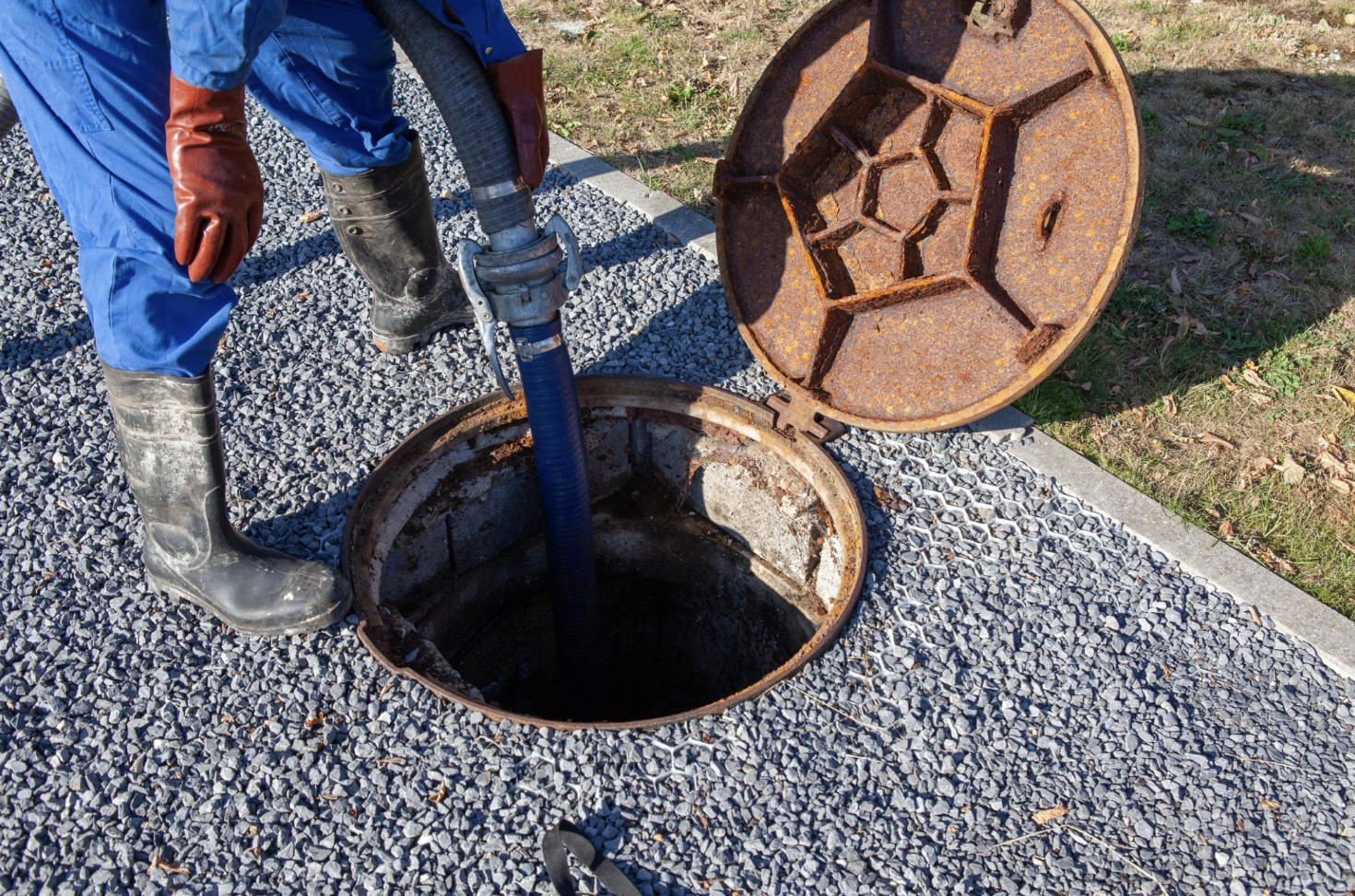
Drain issues usually start with slow water movement, then quickly turn into full blockages that disrupt daily routines. In Toronto homes, older piping, grease buildup, and seasonal changes often make clogs more persistent than expected. Two of the most common professional methods used to restore flow are snaking and hydro jetting. Both solve blockages, but they work in very different ways and deliver different long-term results.
Drain Rescue Plumbers uses both approaches depending on the condition of the system, the severity of the clog, and what is found during inspection. Knowing how each method works helps homeowners understand what is actually happening inside their pipes and why one solution is sometimes more effective than the other.
What Snaking Does Inside a Drain Line
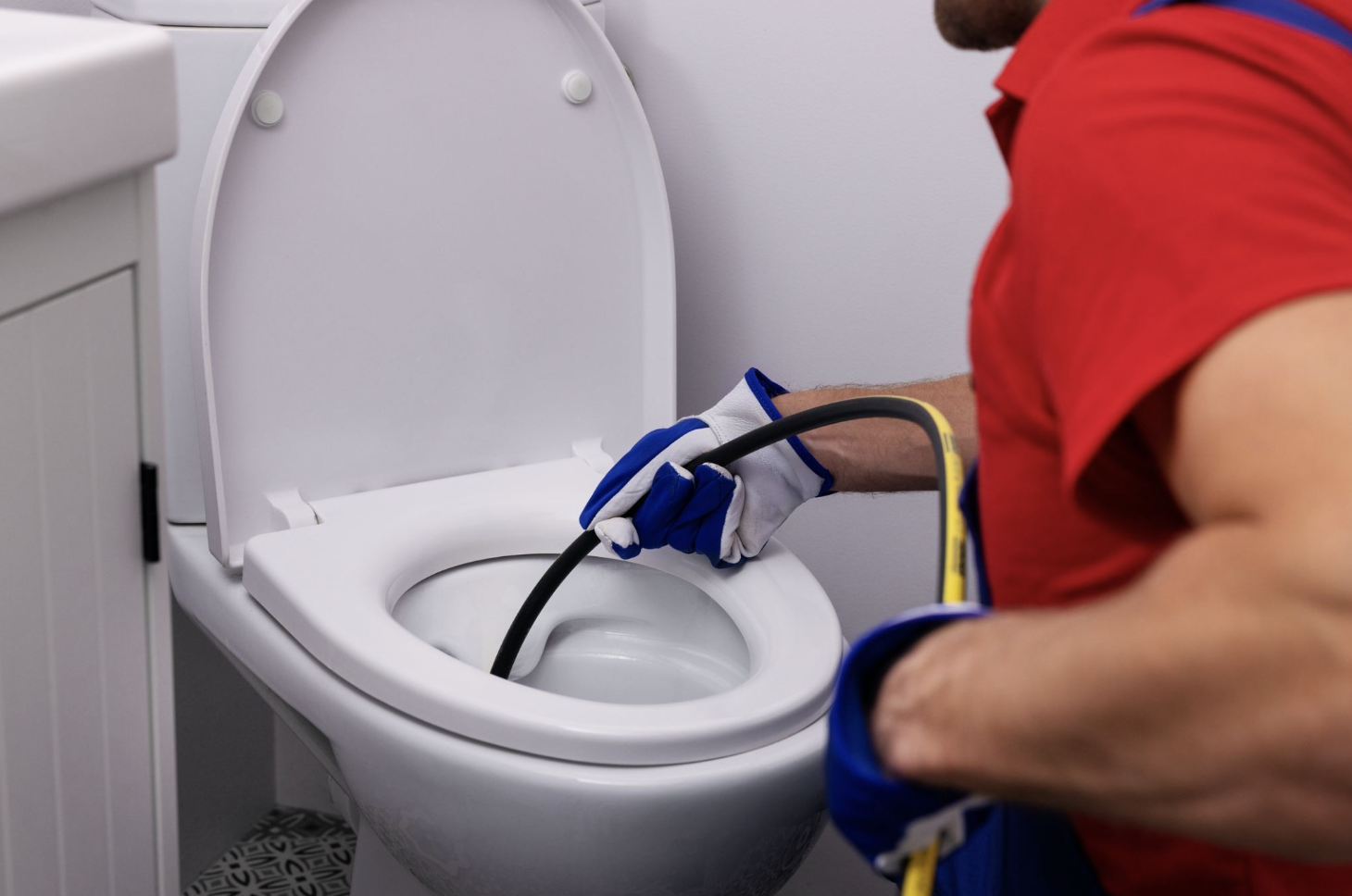
Drain snaking, also called drain augering, is the more traditional method used in plumbing. It involves inserting a flexible metal cable into the pipe to physically break apart or pull out the blockage.
How snaking works in practice
A drain snake is guided into the opening and moved deeper into the line until it reaches the obstruction. Once there, the technician rotates the cable so the tip can either break through the clog or latch onto it and pull it back out. In many cases, water starts flowing again immediately after this step.
Where snaking works well
Snaking is best suited for smaller, localized blockages such as:
- Hair buildup in bathroom drains
- Food particles close to the kitchen sink trap
- Soft obstructions near the opening of the pipe
It is often used as a first-response method before moving to more intensive cleaning options like hydro jetting for stubborn clogs, especially when the blockage is deeper in the system or keeps returning after previous service.
Limitations of snaking
- It does not clean pipe walls
- Grease and residue often remain inside the line
- Clogs may return sooner
- It is less effective for heavy buildup in main sewer lines
Snaking solves the immediate blockage, but it does not always address the underlying cause.
What Hydro Jetting Does Differently
Hydro jetting uses high-pressure water streams to clean the inside of pipes. Instead of forcing a path through a clog, it clears the full pipe wall by washing away grease, sludge, and buildup along the entire line.
This method is often used for more severe or recurring blockages, especially in older plumbing systems common across Toronto where buildup tends to form gradually over time.
The effectiveness comes down to pressure concentration. Water forced through a small nozzle delivers enough force to break apart hardened debris that mechanical tools often leave behind.
How hydro jetting works step by step
- A camera inspection is performed first to assess pipe condition
- A high-pressure hose is inserted into the drain line
- Water is released through specialized jetting nozzles
- Jets clean the full diameter of the pipe, not just the blockage point
- Debris is fully flushed out of the system
This process restores flow by cleaning the pipe interior rather than just reopening a passage, making it one of the most effective methods used in professional hydro jetting services.
Snaking vs Hydro Jetting in Real Drain Conditions
Both methods are useful, but they are not interchangeable. Each is suited for different types of plumbing problems.
Snaking works best for
- Hair clogs in bathroom drains
- Small localized obstructions
- Temporary or first-time blockages
- Older pipes where pressure must be controlled
Hydro jetting works best for
- Grease buildup in kitchen lines
- Tree root intrusion in sewer lines
- Repeated blockages in the same pipe
- Long-term maintenance cleaning
Homes that require repeated visits from a drain repair service in Toronto often benefit more from hydro jetting because it addresses buildup along the full pipe length.
Why Some Blockages Keep Coming Back
A recurring blockage usually means the pipe walls were never fully cleaned. Snaking can reopen the passage, but leftover debris acts as a base for new buildup.
Common causes include:
- Cooking grease solidifying inside kitchen drains
- Soap residue narrowing bathroom pipes
- Mineral deposits from hard water
- Root infiltration in underground lines
How Drain Rescue Plumbers Chooses the Right Method
Drain Rescue Plumbers hydro jetting services are not applied as a default solution. The method is selected based on diagnostic findings.
Decision process used by technicians
- Camera inspection identifies blockage type
- Pipe material and age are assessed
- Severity of buildup is measured
- Risk of pipe damage is evaluated
- The least invasive effective method is chosen first
This approach ensures that fragile or aging pipes are not exposed to unnecessary pressure while still resolving the issue completely.
When Hydro Jetting Becomes the Better Long-Term Choice
Hydro jetting is often recommended when plumbing issues go beyond a simple clog. It is particularly effective in properties where drains have not been cleaned in years or where grease and debris accumulate faster than normal.
Situations that typically require hydro jetting include:
- Commercial kitchens with heavy grease usage
- Older Toronto homes with cast iron piping
- Sewer lines affected by root growth
- Repeated service calls for the same drain
In these cases, relying only on snaking may lead to repeated service calls without solving the core issue.
Safety and Pipe Condition Considerations
Hydro jetting puts a lot of force through a plumbing system, which is why it only gets used after the pipe has been properly assessed. The condition of the line matters more than the clog itself, especially in older Toronto homes where pipe materials, joints, and previous repairs can vary from section to section.
Before any work starts, technicians check the basics that actually affect performance under pressure: pipe age, material type, signs of corrosion, weak joints, and any visible damage from past work. These details decide whether the system can handle high-pressure cleaning or not.
This type of inspection-based approach is standard practice in Canadian plumbing work, and it aligns with industry guidance discussed by organizations such as the Canadian Institute of Plumbing and Heating, where system condition and material assessment are treated as a required step before high-pressure drain cleaning is used.
Preventing Future Drain Blockages
Once drains are cleared, maintenance plays a major role in keeping them that way.
Simple habits that reduce buildup:
- Avoid pouring grease into kitchen sinks
- Use drain strainers in showers
- Flush drains with hot water regularly
- Schedule periodic inspections for older homes
For properties that experience frequent clogs, occasional hydro jetting can reset the system before major issues develop.
Choosing the Right Service Approach
Drain problems are rarely identical, which is why method selection matters more than the tool itself. Snaking provides quick relief for simple blockages, while hydro jetting restores full pipe efficiency by cleaning the entire interior.
Drain Rescue Plumbers focuses on matching the method to the actual condition of the plumbing system rather than applying a one-size-fits-all approach. This is what makes the difference between temporary relief and long-term drainage performance.
For homeowners dealing with persistent issues or searching for reliable drain repair service in Toronto, understanding these two methods helps set clear expectations about what real pipe restoration looks like and why some solutions last longer than others.