
Digital entertainment continues to shape daily life in measurable ways. In 2026, audiences expect direct access, transparent pricing, and consistent performance across devices. Faster connections, broader device compatibility, and smarter recommendation systems drive this shift. Viewers and players no longer accept rigid schedules or limited formats. They choose platforms that match their routines, interests, and budgets.
Context of Digital Entertainment Growth
Digital entertainment in 2026 expands beyond streaming and gaming platforms. Online interactive platforms operating in regulated environments also strengthen their position within broader digital markets. Spinania Casino operates as part of this ecosystem and reflects the technological and behavioral trends that define the current year.
Users approach digital entertainment services with practical expectations. They look for transparent rules, structured account management, and stable performance across devices. Spinania Casino addresses these expectations through a system that prioritizes clarity and control.
The platform integrates several core elements that align with modern standards:
- Mobile-first interface design that adjusts to smartphones and tablets without loss of functionality.
- Clear display of licensing and compliance information within the user dashboard.
- Structured responsible-use tools, including deposit limits and session time tracking.
- Multiple digital payment methods with visible processing timeframes.
- Real-time streaming for live-hosted interactive sessions.
Mobile compatibility plays a central role in user engagement. Many participants access services during short daily intervals rather than extended sessions. The platform supports quick logins, simplified navigation, and fast-loading content libraries. These features reduce friction and allow users to focus on interaction rather than technical barriers.
Security remains a decisive factor in digital participation. The service uses encrypted payment channels and multi-step identity verification processes. Users manage personal data directly through account settings and can activate additional protection measures. Transparent communication about data handling policies strengthens confidence.
Content selection also reflects broader industry direction. The platform includes digital slot-style titles, table-style simulations, and live-hosted formats streamed in real time. Live streaming technology enables interaction through chat features while maintaining stable video quality. This model mirrors hybrid formats seen across other segments of digital entertainment, where real-time participation increases engagement.

Streaming Video Platforms
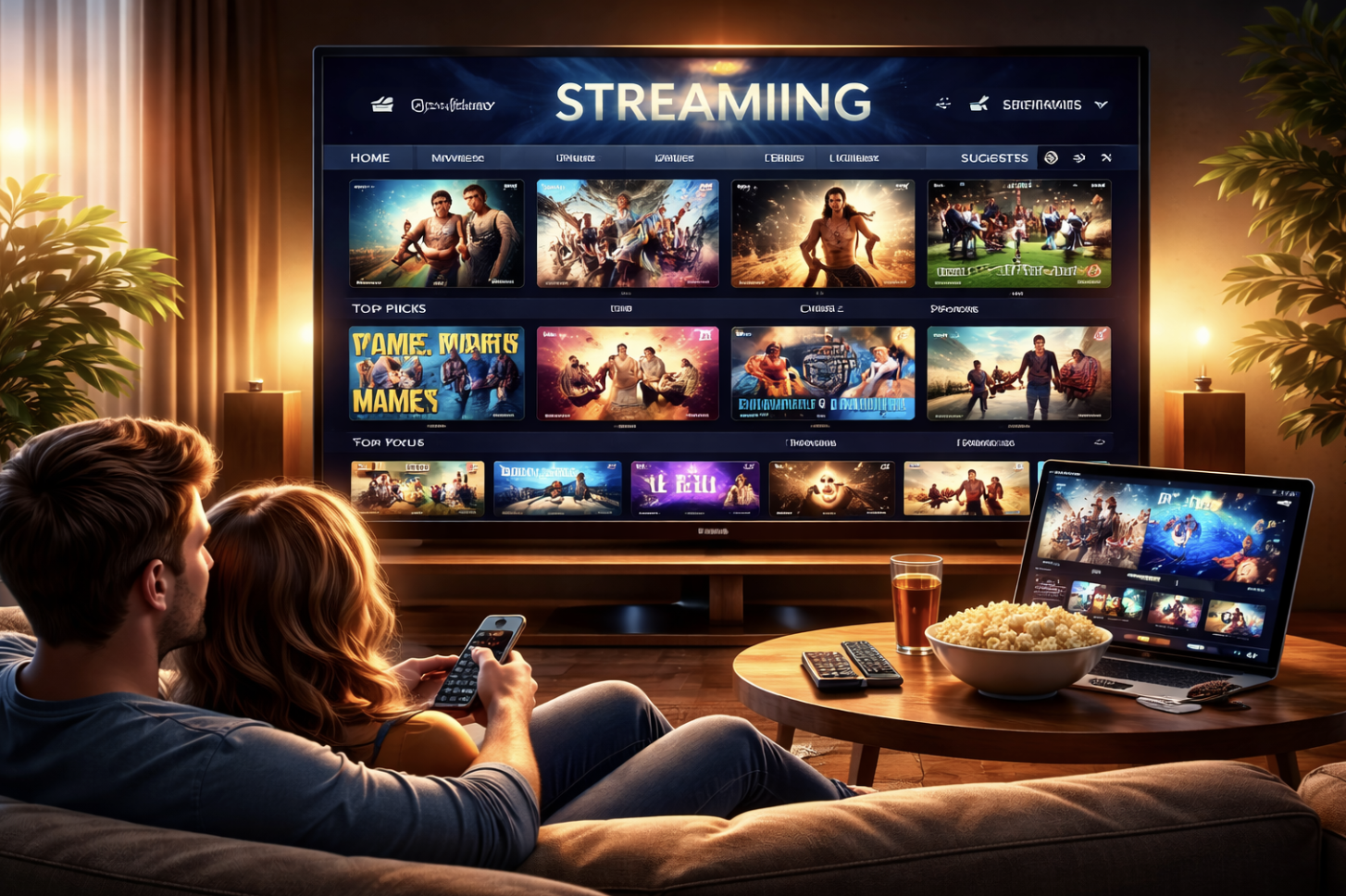
Streaming video remains central to digital consumption. Households no longer depend on cable subscriptions. Instead, they select direct-to-consumer platforms that deliver films, series, documentaries, and live broadcasts on demand.
Several trends define video streaming in 2026:
- Investment in regional content production to meet local demand.
- Parallel ad-supported and subscription-based plans.
- AI-driven recommendation engines refined through viewing history.
- Coexistence of short-form and long-form formats on the same service.
- Interactive episodes that allow viewers to influence certain story elements.
Consumers prioritize interface clarity and playback stability. They switch quickly if a service buffers or restricts device access. Many households subscribe to multiple services and rotate them based on seasonal content releases.
Sports streaming also grows. Broadcasters provide direct digital access that allows viewers to watch events on mobile devices without traditional television contracts. Real-time statistics, multiple camera angles, and live chat features increase engagement.
Music and Audio Streaming
Audio platforms extend beyond music in 2026. They host podcasts, audiobooks, live talk sessions, and educational programs. Users integrate audio content into commuting, exercise, and remote work routines.
Key developments include:
- Personalized playlists updated daily through behavioral analysis.
- Integrated podcast discovery tools based on listening patterns.
- High-quality audio tiers for advanced sound systems.
- Community features such as shared playlists and live discussion rooms.
Creators monetize through subscription models, direct fan contributions, and exclusive content feeds. Many platforms publish royalty transparency guidelines. Industry research and open statistical resources are often referenced through non-commercial organizations such as the Pew Research Center, which provides public reports on digital media consumption trends.
Online Gaming Platforms
Gaming remains one of the most active segments of digital entertainment. In 2026, developers deliver experiences across consoles, PCs, and mobile devices without strict hardware boundaries.
Cloud gaming services allow players to stream high-performance titles without expensive equipment. This approach reduces entry barriers and expands access. Players log in through browsers or dedicated apps while remote servers manage processing tasks.
Competitive gaming continues to grow. Organized tournaments attract viewers who follow professional teams and individual players. Spectator modes, live statistics, and integrated commentary transform gaming into a broadcast experience.
Common characteristics of modern gaming platforms include:
- Cross-device progression stored in the cloud.
- Real-time voice and text communication.
- Seasonal content updates that maintain long-term engagement.
- Parental control systems that manage screen time and in-app spending.
Developers analyze gameplay data to refine mechanics and adjust difficulty levels. At the same time, players expect clear explanations regarding data collection and storage practices.
Interactive Digital Platforms in Regulated Environments
Some digital platforms operate within highly structured regulatory frameworks. These services integrate interactive entertainment formats with compliance mechanisms that define age restrictions, payout structures, and dispute resolution processes.
Users evaluate such platforms based on:
- Payment processing transparency.
- Variety and clarity of content rules.
- Mobile compatibility.
- Account management tools.
- Spending and time-limit controls.
Live-hosted streaming technology strengthens engagement by combining high-definition video with real-time chat interfaces. Regulatory authorities in multiple regions require operators to display responsible participation resources and self-exclusion options. Broader regulatory frameworks can be reviewed through public institutional resources such as the European Commission’s digital policy section, which outlines transparency and compliance standards across digital markets.
Live Virtual Events
Virtual events continue to expand beyond emergency-driven adoption. Organizers schedule concerts, conferences, and workshops using hybrid attendance models. Participants may attend physically or access streams remotely.
Digital ticketing systems typically integrate:
- QR-based access credentials.
- Real-time chat panels.
- Audience polling tools.
- On-demand replays after events conclude.
Music performances may include interactive components such as audience voting or live Q&A sessions. Conference platforms often provide breakout rooms for networking and focused discussions.
Organizers analyze participation metrics to measure engagement, including session duration, chat activity, and repeat attendance rates. These insights influence future event planning.
Social Entertainment Applications
Short-form video apps, live streaming platforms, and interactive forums dominate daily screen time, particularly among younger audiences. Users create and distribute content directly from mobile devices.
In 2026, algorithm transparency remains a key discussion point. Platforms increasingly publish simplified explanations of how recommendation systems function. Creators request clearer revenue-sharing models and access to detailed analytics.
Features shaping social entertainment include:
- Real-time broadcasting with optional viewer tipping.
- AI-assisted moderation combined with human review.
- Creator analytics dashboards.
- Community guidelines enforced through automated flagging systems.
Users often move quickly between formats, watching live streams, browsing short videos, and participating in group discussions within a single session. Platforms that streamline this flow maintain stronger retention rates.
Virtual Reality and Augmented Reality
Virtual reality (VR) and augmented reality (AR) technologies become more accessible in 2026 as hardware prices decrease and display resolution improves. Developers build immersive environments for gaming, education, training, and social interaction.
VR systems focus on motion tracking and spatial audio, allowing users to move within defined physical spaces while interacting with digital elements. Multiplayer sessions enable participants to meet in shared virtual environments.
AR applications overlay digital information onto physical surroundings through smartphone cameras and wearable devices. This functionality supports tourism, retail visualization, and educational experiences.
Adoption rates continue to depend on ergonomic improvements. Manufacturers prioritize lighter headsets and longer battery life to support extended sessions.
Data Security and Privacy Considerations
Digital entertainment platforms collect significant user data, including viewing habits, gameplay patterns, and purchasing behavior. Regulatory oversight intensifies in 2026, with stronger data protection requirements in multiple regions.
Users increasingly assess services based on:
- Clearly written privacy policies.
- Two-factor authentication options.
- Encryption standards for payment data.
- User-controlled data deletion tools.
Transparent communication directly influences long-term user trust. Platforms that explain storage practices and data usage policies retain stronger engagement.
Market Overview
Digital entertainment categories in 2026 reflect clear user motivations and device preferences:
- Video streaming focuses on on-demand viewing through smart TVs and mobile applications.
- Music and audio platforms support background listening and learning through smartphones and smart speakers.
- Online gaming emphasizes interactive competition across consoles, PCs, and cloud-based access.
- Interactive regulated platforms provide structured real-time participation via browsers and mobile apps.
- Virtual events enable remote attendance through streaming interfaces.
- VR and AR experiences deliver immersive environments through headsets and smartphones.
This overview highlights how accessibility and direct interaction shape user decisions.
Consumer Behavior in 2026
Consumers manage subscriptions with greater precision than in previous years. Digital dashboards help users monitor spending and cancel services that no longer provide value. Bundled packages remain available, but flexible month-to-month models are preferred.
Key behavioral patterns include:
- Short subscription cycles aligned with content release calendars.
- Strong preference for multi-device compatibility.
- Increased demand for offline access modes.
- Focus on transparent pricing structures.
Younger audiences gravitate toward interactive and participatory formats, while older demographics often prefer structured viewing enhanced by on-demand flexibility.
Conclusion
Digital entertainment in 2026 reflects continuous technological refinement and evolving audience expectations. Streaming platforms enhance personalization systems. Gaming services expand cross-device functionality. Interactive platforms such as Spinania Casino operate within defined regulatory frameworks while integrating real-time streaming technologies. Virtual events blend physical and digital participation, and VR and AR solutions progress as hardware improves.
Across all categories, users prioritize clarity, data protection, and adaptable pricing. Services that maintain stable performance, transparent policies, and cross-device accessibility remain competitive in a dynamic global market.