
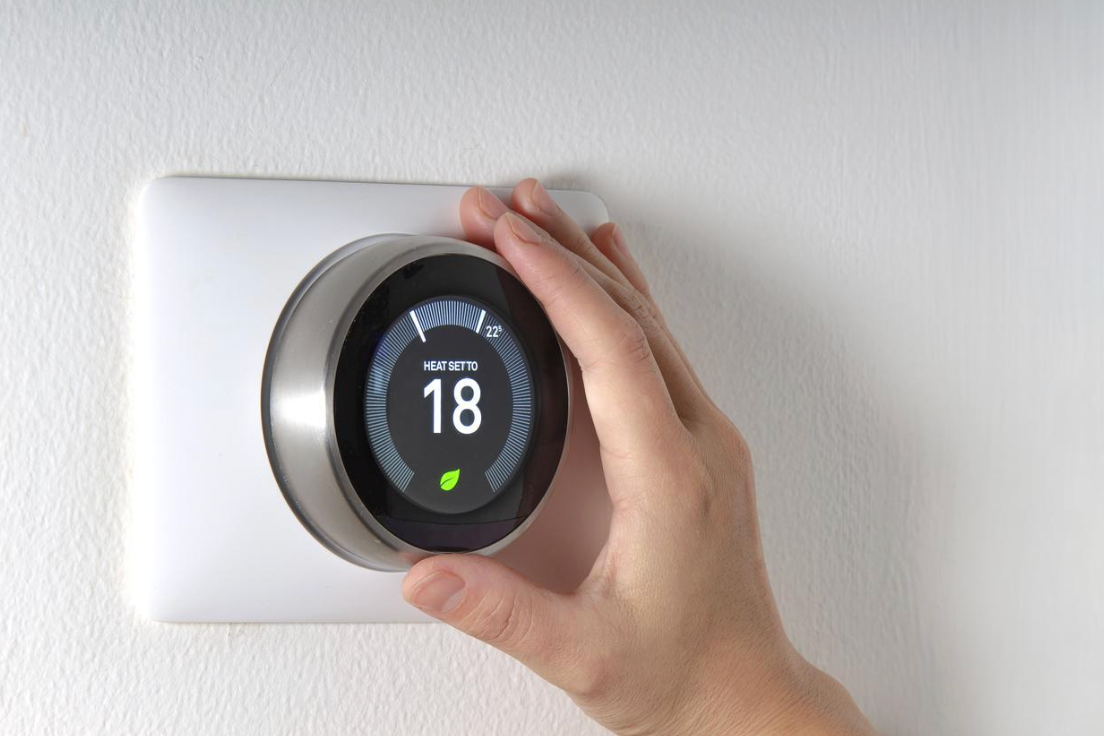
Smart thermostats are a powerful tool for reducing energy consumption and optimizing heating and cooling systems. By enabling programmable temperature control and remote management, these devices help homeowners lower utility bills while enhancing home comfort. With features like HVAC system integration and energy-saving modes, smart thermostats offer a modern solution to improve energy efficiency effortlessly. Upgrading to this technology not only supports cost savings but also aligns with sustainable living practices.
Table of Contents
- Understanding the Role of Smart Thermostats in Energy Management
- Key Features That Make Smart Thermostats a Game-Changer
- Steps to Maximize Energy Savings with Smart Thermostat Technology
- Final Thoughts on Smart Thermostats and Energy Efficiency
Smart thermostats have become a cornerstone of modern energy management, offering an innovative way to optimize heating and cooling systems. These devices are designed to adapt to your lifestyle, learning patterns and adjusting temperatures automatically to reduce electricity consumption. With rising utility costs and a growing emphasis on sustainability, many households are turning to smart thermostats as a practical solution.
For those considering upgrades or installations, consulting a professional for electrical repair in Calgary provides seamless integration with existing systems. Beyond convenience, smart thermostats provide programmable temperature control and remote access, empowering users to make smarter decisions about their energy usage.
Understanding the Role of Smart Thermostats in Energy Management
Smart thermostats have redefined how homeowners interact with their heating and cooling systems, offering a blend of convenience and efficiency. These devices go beyond traditional thermostats by providing programmable temperature control and real-time data insights. By learning daily routines and adjusting settings automatically, smart thermostats help reduce electricity consumption without sacrificing comfort.
To fully appreciate their value, it’s important to understand the core functionalities that set them apart:
- Remote Access: Control your HVAC system from anywhere using a smartphone app.
- Learning Algorithms: Adapt to user preferences over time, optimizing energy use.
- Energy Usage Reports: Provide detailed insights into consumption patterns, helping identify areas for improvement.
Modern homes increasingly rely on home automation technology to streamline operations, and smart thermostats are at the forefront of this shift. They integrate seamlessly with other systems, such as lighting and security, creating a cohesive energy-efficient home solution. For instance, pairing a smart thermostat with energy-efficient lighting can further amplify savings.
Key Features That Make Smart Thermostats a Game-Changer
Smart thermostats are revolutionizing the way homeowners manage their energy consumption, offering advanced features that go far beyond traditional temperature control. These devices combine cutting-edge technology with user-friendly interfaces to deliver unmatched convenience and efficiency. By learning your habits and adapting to your lifestyle, they help reduce electricity usage while maintaining optimal comfort in your home.
Learning and Adaptability
One of the most significant advantages of smart thermostats is their ability to learn and adapt to your daily routines. Unlike conventional thermostats, these devices use advanced algorithms to analyze patterns in your behavior. For example:
- Automatically adjust heating and cooling schedules based on when you typically leave or return home.
- Optimize energy use by operating systems only when necessary.
- Eliminate the need for manual adjustments, saving time and effort.
This adaptability ensures your HVAC system runs efficiently, reducing unnecessary energy consumption without compromising comfort.
Remote Access and Control
Another standout feature is remote access through smartphone apps. This functionality allows homeowners to monitor and adjust their home’s temperature from anywhere. Consider these benefits:
- Forgot to lower the thermostat before leaving for vacation? A quick tap on your phone can resolve the issue instantly.
- Adjust settings during extreme weather conditions to protect your home and save energy.
- Receive alerts if your system detects unusual activity, such as sudden temperature spikes.
This level of control not only enhances convenience but also minimizes energy waste, contributing to long-term savings.
Detailed Energy Usage Reports
Many smart thermostats provide detailed energy usage reports, offering valuable insights into consumption patterns. These reports can help homeowners:
- Identify trends and areas where further energy savings can be achieved.
- Pair data with other energy-efficient upgrades, such as LED lighting or surge protection installations, for maximum impact.
- Consult professionals for electrical services to integrate these upgrades seamlessly into your system.
For instance, upgrading outdated wiring or installing energy-efficient lighting can amplify the benefits of a smart thermostat, creating a more sustainable home environment.
Integration with Home Automation Systems

Finally, integration with home automation systems takes smart thermostats to the next level. These devices can communicate with other smart technologies to enhance energy efficiency. Examples include:
- Syncing with motion sensors to detect unoccupied rooms and adjust temperatures accordingly.
- Coordinating with smart blinds to regulate indoor temperatures by controlling natural light.
- Working alongside security systems to optimize energy use when the home is unoccupied.
This interconnected approach not only improves comfort but also reduces utility costs significantly.
By combining intelligence, adaptability, and seamless connectivity, smart thermostats offer homeowners a smarter way to manage their energy consumption. These features make them an indispensable tool for creating a more efficient and sustainable living environment.
Steps to Maximize Energy Savings with Smart Thermostat Technology
To fully harness the potential of smart thermostats, homeowners need to take a proactive approach. These devices are designed to optimize energy use, but their effectiveness depends on how well they’re integrated into your lifestyle and home systems. By following a few key steps, you can maximize savings while making sure your HVAC system operates efficiently.
Step 1: Proper Installation and Setup
The first step in maximizing energy savings is making sure your smart thermostat is installed correctly. Improper installation can lead to inefficiencies or even damage your HVAC system. For example:
- Avoid DIY setups if you’re unfamiliar with electrical systems; consult a licensed professional to ensure proper wiring and configuration.
- During installation, verify that your thermostat is compatible with your heating and cooling systems.
A professional electrician can also assess whether your home’s wiring needs upgrades, such as replacing outdated knob-and-tube wiring or aluminum wiring, which may hinder performance.
Step 2: Customize Settings to Match Your Schedule
Once installed, take time to customize your thermostat settings. Smart thermostats excel at learning routines, but initial input helps them adapt faster. Consider these tips:
- Program temperature adjustments for times when you’re typically away from home, such as during work hours.
- Use geofencing features to automatically adjust settings based on your location.
For instance, lowering the heat by a few degrees while you’re asleep or out of the house can significantly reduce energy consumption without sacrificing comfort.
Step 3: Leverage Energy Usage Reports
Most smart thermostats provide detailed energy usage reports, offering insights into your consumption patterns. Look for trends, such as excessive heating during mild weather and adjust accordingly. Pair these insights with other energy-efficient upgrades, like switching to LED lighting or installing surge protection devices, to further reduce electricity bills.
For example, combining smart thermostat data with an electrical home inspection can help uncover additional inefficiencies, such as outdated panels or faulty wiring.
Step 4: Integrate with Home Automation Systems
Smart thermostats can be part of a broader home automation ecosystem, enhancing energy efficiency even further. Integration with other systems allows for seamless coordination:
- Sync with motion sensors to detect unoccupied rooms and adjust temperatures automatically.
- Connect with smart blinds to regulate indoor temperatures by controlling natural light.
By taking these steps, homeowners can unlock the full potential of smart thermostats, transforming their energy management strategies and reducing utility costs. With the right setup and ongoing adjustments, these devices become invaluable tools for creating a more sustainable and cost-effective home environment.
Final Thoughts on Smart Thermostats and Energy Efficiency
Smart thermostats represent a significant leap forward in managing household energy consumption. By offering features like programmable temperature control, remote access, and integration with home automation systems, these devices empower homeowners to reduce electricity bills while enhancing comfort.
Detailed energy usage reports and seamless adaptability further contribute to their value, making them a cornerstone of modern, energy-efficient homes. With the right setup and ongoing adjustments, smart thermostats not only optimize heating and cooling systems but also align with sustainable living practices. Embracing this technology can lead to long-term savings and a reduced environmental footprint.