

Source: https://xpertsource.com/en/blog/buying-property/condo-vs-house-factors-to-consider-before-buying
A Glimpse into the GTA’s Real Estate Boom
The Greater Toronto Area (GTA) continues to experience exceptional growth, driven by steady immigration, robust employment opportunities, and an ever-expanding population. Individuals from within Canada and around the world gravitate to this region for its cultural diversity, top-tier educational institutions, and thriving corporate sectors. As more residents settle in the area, developers strive to keep pace with housing needs through innovative projects that cater to a broad array of preferences.
One reason the GTA stands out is its strong emphasis on transit-oriented development. Many new construction initiatives are planned near major highways and public transportation routes, ensuring easier commutes. Additionally, municipal authorities partner with private developers to create balanced neighborhoods that integrate green spaces, retail, and entertainment options. This approach has led to an assortment of pre-construction opportunities aimed at different lifestyles, from compact suites for young professionals to larger floor plans for families.
In the search for a suitable investment or residence, buyers often weigh the choice between pre-construction condos and pre-construction townhomes. Each has distinct advantages and addresses various living priorities. Recognizing these differences can help prospective owners pinpoint which type of property fits their goals, both in the present and over the long term.
Enhance Your Path to Homeownership with Owncondo
Selecting a property in the GTA can feel daunting. That’s where Owncondo offers a substantial benefit. By visiting the Owncondo official website, prospective buyers gain access to a large database of condo listings. Options range from sleek studios to multi-bedroom residences, covering different budgets and preferences.
Another strength is the supportive team of real estate professionals, who simplify the home-buying process through clear explanations of floor plans, local amenities, and project timelines. This guidance reduces uncertainty and helps clients focus on each development’s most relevant features.
Accurate price updates are also essential, and Owncondo delivers real-time cost comparisons. Buyers can track shifting market conditions, weigh multiple properties, and make choices with confidence. Combined, these elements — extensive listings, approachable experts, and reliable pricing — place Owncondo in a strong position for anyone exploring GTA real estate.
Exploring Pre-Construction Condos: Advantages and Considerations
Pre-construction condos attract those who value contemporary design and shared amenities. Many new builds emphasize stylish layouts, premium finishes, and on-site features such as gyms, lounges, or rooftop spaces. These setups suit individuals looking for modern comforts without the upkeep of a larger property.
Another draw is the potential financial upside. Early buyers often secure a unit at an introductory price, which may rise in value by completion. This factor holds appeal for investors seeking properties in areas with convenient transit and local services.
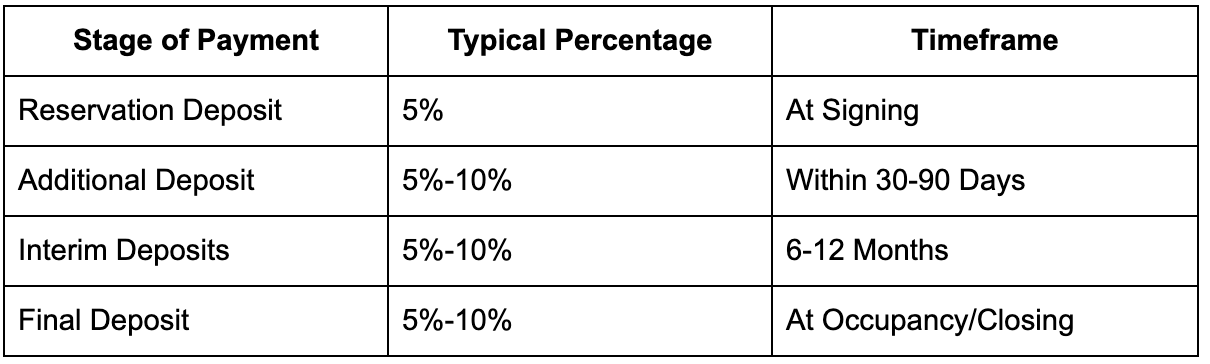
Before committing, it’s wise to examine the builder’s performance on past projects. Factors like on-time completion and solid construction quality can indicate reliability. Prospective owners should also review the deposit plan, as some projects require more upfront than others. A sample deposit schedule appears below:
Pre-Construction Townhomes: What Sets Them Apart
Pre-construction townhomes deliver a style of living that combines the feel of a standalone house with the efficiencies of a managed complex. Multi-level units often include private entrances and yards, giving owners more personal space and outdoor areas for gardening or leisure activities.
One key benefit is greater separation from neighbors. With fewer shared walls compared to many condo towers, residents can expect more peace and quiet. Some developments include small parks or walkways, contributing to a friendly environment that can appeal to different household types.
Ownership details vary. In some cases, a freehold arrangement leaves maintenance entirely in the hands of the owner. In other setups, a condo-style association covers services like snow removal and lawn care. Evaluating these specifics, along with the builder’s experience, helps buyers decide if a townhome aligns with their financial and lifestyle requirements.
Comparing the Two: Key Factors for GTA Buyers
Condos and townhomes differ in several ways. High-rise projects often stand near major transit lines, workplaces, and entertainment spots. This setup attracts those who prefer an urban vibe and shorter commutes. Townhomes generally provide more internal space and can include private driveways or yards, which appeals to owners desiring extra room for family life or personal hobbies.
Maintenance is another point of contrast. Condo residents typically pay monthly fees that support building management, upkeep of shared areas, and building amenities. Townhome fees, if present, can be lower, but owners may take on tasks like lawn care or other external maintenance. Below is a table outlining sample monthly costs for a mid-range condo compared to a mid-range townhome in the GTA:

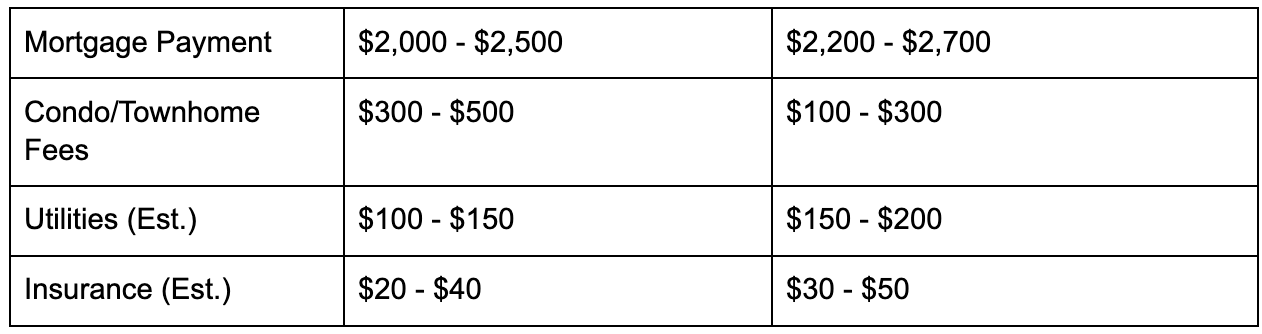
These numbers will vary by project and location, so personal research remains essential.
Making Your Decision: Practical Steps to Success
Before choosing a pre-construction property, it helps to gather all relevant details. Begin by investigating each developer’s past projects. Completion records, craftsmanship, and buyer feedback can offer important insights. Also, assess construction materials and the credibility of any partnering companies.
Next, consult real estate experts who handle pre-construction transactions. They can outline upcoming releases, deposit ranges, and hidden costs. This can be vital in deciding if a condo or townhome suits your budget and personal preferences.
Another key step is obtaining a mortgage pre-approval. Knowing how much financing you can secure will narrow your search to properties that fit your price range. Finally, remain flexible. The market can move quickly, so keep a backup list of appealing developments. If your first choice sells out or faces delays, you’ll have another option to consider.
Conclusion
The GTA continues to draw attention for its economic opportunities, cultural variety, and steady demand for new housing. Pre-construction condos often highlight modern interiors and attractive amenities, while townhomes emphasize larger layouts and a more independent style of living. Each route has unique benefits for personal use or investment objectives.
Buyers who devote time to researching developers and financing options tend to discover a property that meets their needs. The Owncondo platform stands ready with a broad selection of listings and supportive agents who can offer insight into pricing, project schedules, and neighborhood features.
Securing a home early in a new build can also boost potential gains if prices rise during construction. Whether you choose a sleek high-rise or a spacious multi-level unit, a clear plan will help smooth the purchase process and position you well for future returns in the GTA market.
Frequently Asked Questions
What down payment is commonly needed for pre-construction condos in the GTA?
Most builders request at least 5% at the time of signing, although it can range up to 20% split into installments. These installments often span the time from initial booking until occupancy. Always verify the exact schedule with the specific project’s sales team.
Are there restrictions on renting a pre-construction unit once it’s completed?
In many cases, owners can rent out their units without difficulty. However, some condo corporations place limits on short-term rentals or require tenants to follow specific guidelines. It’s best to consult the developer’s disclosure documents and any condominium rules before proceeding with a rental plan.
How do freehold townhomes differ from condo townhomes?
A freehold townhome typically does not charge monthly fees, but owners handle all exterior maintenance on their own. Condo townhomes, meanwhile, can include fees for services such as landscaping or communal repairs. It’s worthwhile to confirm these details in advance to avoid surprises.