
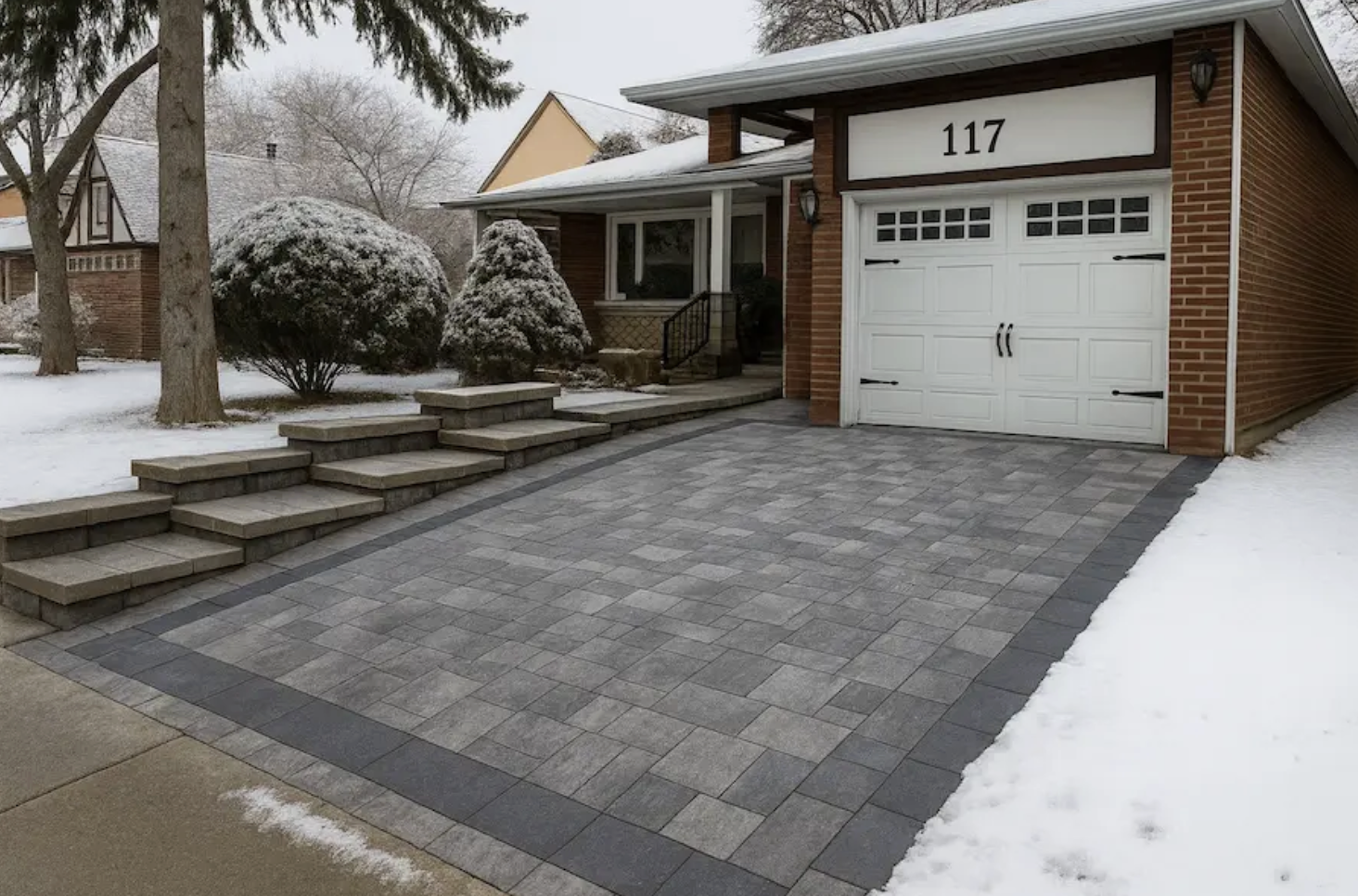
Winter in Toronto has always demanded preparation, patience, and ongoing maintenance from homeowners. Recent seasons, however, have amplified those demands. Temperature swings, frequent freeze–thaw cycles, and heavier snowfall events have changed how residential infrastructure performs under pressure. As a result, more neighbourhoods across the GTA are quietly adopting heated driveways—not as a luxury feature, but as a practical response to local climate realities.
A noticeable shift has occurred in how property owners evaluate exterior upgrades. Instead of focusing only on appearance, many residents now prioritize year-round usability and long-term durability. Within that context, professionally built driveway systems that incorporate heating elements are gaining attention, especially when installed alongside modern interlocking solutions. In Toronto, that often means looking beyond basic snow removal and considering professionally designed interlocking systems that can support integrated heating. Many homeowners start by consulting top-rated Toronto interlocking driveway services to understand how modern driveway construction can reduce winter maintenance while improving safety and long-term performance.
Climate Patterns Are Forcing Smarter Exterior Design
Toronto winters no longer follow predictable patterns. Sudden warm spells followed by overnight freezes create ice layers that are difficult to manage using traditional snow removal methods. Manual shovelling addresses accumulation, yet refreezing often leaves behind hazardous surfaces. Chemical de-icers provide short-term relief, although repeated use accelerates surface wear and negatively affects surrounding landscaping.
Urban planners and residential contractors alike have begun treating driveways as functional systems rather than static slabs. Heated installations respond directly to environmental conditions by preventing snow from bonding to the surface. Embedded heating cables activate automatically during snowfall, reducing ice formation before it becomes a safety issue. That proactive approach aligns well with how Toronto homeowners increasingly think about resilience rather than reaction.
From a neighbourhood perspective, these systems also support consistent accessibility. Sloped driveways in areas such as North York or Etobicoke benefit from reliable traction during freezing rain events. Accessibility concerns extend beyond convenience, particularly for multi-generational households where safe entryways matter throughout winter months.
Property Maintenance Costs Are Under Closer Scrutiny
Another factor driving adoption relates to ongoing maintenance expenses. Traditional snow removal may appear economical at first glance, yet cumulative costs add up quickly. Seasonal equipment purchases, salt usage, repair work caused by surface damage, and outsourced plowing services all contribute to long-term spending.
Heated driveways alter that equation by shifting costs toward infrastructure rather than repeated labour. Once installed correctly, these systems reduce reliance on external services while extending the lifespan of the driveway itself. Interlocking pavers paired with heating technology resist cracking far better than poured concrete, particularly under repeated freeze stress.
For homeowners evaluating value rather than upfront pricing alone, that durability matters. Real estate professionals across Toronto have also noted that well-designed exterior upgrades influence buyer perception. A driveway that remains clear during winter viewings sends a subtle signal about thoughtful property care without requiring explanation.
Environmental Considerations Are Influencing Decisions
Salt runoff has become an increasingly visible issue in many Toronto neighbourhoods. Melting agents wash into storm drains, affecting soil quality and nearby green spaces. Municipal guidance already encourages reduced salt usage, yet alternatives remain limited for private driveways exposed to heavy snowfall.
Heated systems directly address this concern by eliminating the need for chemical melting products altogether. Snow melts evenly and drains away as water, minimizing environmental impact while protecting adjacent plants. For households prioritizing sustainable upgrades, that advantage often carries significant weight.
Beyond landscaping benefits, reduced salt exposure also protects vehicles. Corrosion caused by repeated chemical contact shortens vehicle lifespan, particularly in undercarriage components. A consistently clear driveway reduces those risks without introducing new maintenance routines.
Why Interlocking Driveways Pair Naturally With Heating Systems
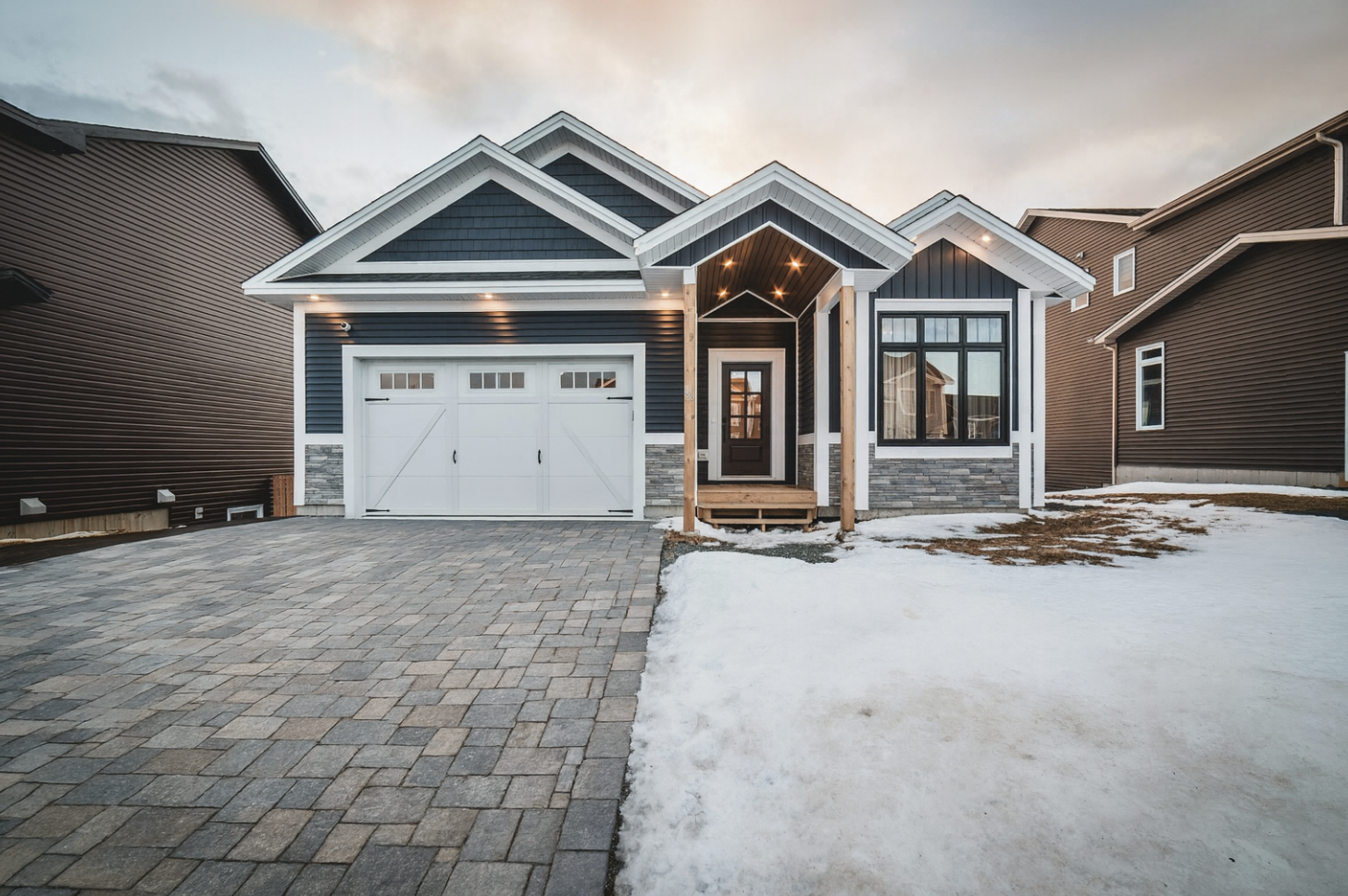
Interlocking surfaces provide structural flexibility that works especially well with integrated heating technology. Individual pavers expand and contract independently, accommodating temperature fluctuations without forming large cracks. That adaptability improves system reliability over time.
Professionally planned installations consider drainage, load distribution, and heating element placement as a unified design. Companies specializing in this work understand how insulation layers influence efficiency, ensuring heat rises evenly toward the surface rather than dissipating into the ground.
Key advantages of heated interlocking driveways include:
- Reduced ice buildup during freeze–thaw cycles
- Lower reliance on mechanical snow removal
- Improved surface longevity under winter stress
- Enhanced visual consistency across seasons
These benefits explain why many Toronto homeowners approach driveway upgrades holistically rather than as isolated improvements.
Professional Installation Shapes Long-Term Performance
System effectiveness depends heavily on design accuracy and installation quality. Improper spacing, insufficient insulation, or incorrect electrical integration can undermine expected performance. For that reason, experienced local providers play a crucial role in successful outcomes.
OAKS Home Services focuses on driveway interlocking solutions that align with Toronto’s specific climate demands. Their approach emphasizes structural preparation, energy-efficient layouts, and compliance with regional building standards. Rather than promoting heated driveways as a standalone feature, their work integrates heating within durable interlocking designs suited to residential properties throughout the GTA.
That level of specialization matters, particularly when electrical systems must interact seamlessly with surface materials exposed to extreme seasonal variation. Homeowners benefit from working with teams familiar with municipal permitting processes and local soil conditions, both of which influence installation planning.
Neighbourhood Trends Reflect Changing Priorities
Heated driveways no longer appear only in high-end developments. Mid-range neighbourhoods increasingly view them as functional upgrades that support daily routines. Busy professionals value time savings, while families appreciate reduced injury risk during winter mornings.
Toronto’s housing stock includes many properties built decades ago, originally designed for milder winters. Retrofitting those homes with modern exterior systems represents a logical evolution rather than an indulgent add-on. As awareness grows, adoption continues spreading organically from one street to the next.
Market data suggests that practical improvements outperform purely aesthetic renovations when homeowners evaluate return on investment. Heated driveways fall squarely into that category by addressing safety, maintenance, and durability simultaneously.
A Shift Toward Preventative Home Design
Toronto neighbourhoods are gradually embracing preventative strategies across home design, from improved insulation to smarter drainage solutions. Heated driveways fit neatly within that mindset by resolving winter challenges before they escalate into recurring problems.
Rather than reacting to snowstorms with labour-intensive fixes, residents increasingly favour systems that operate quietly in the background. When paired with well-executed interlocking surfaces, heated driveways offer a measured response to evolving climate demands without altering neighbourhood character.
As winter conditions continue changing, this approach reflects how Toronto homeowners adapt thoughtfully—investing in infrastructure that supports comfort, safety, and long-term value year after year.