
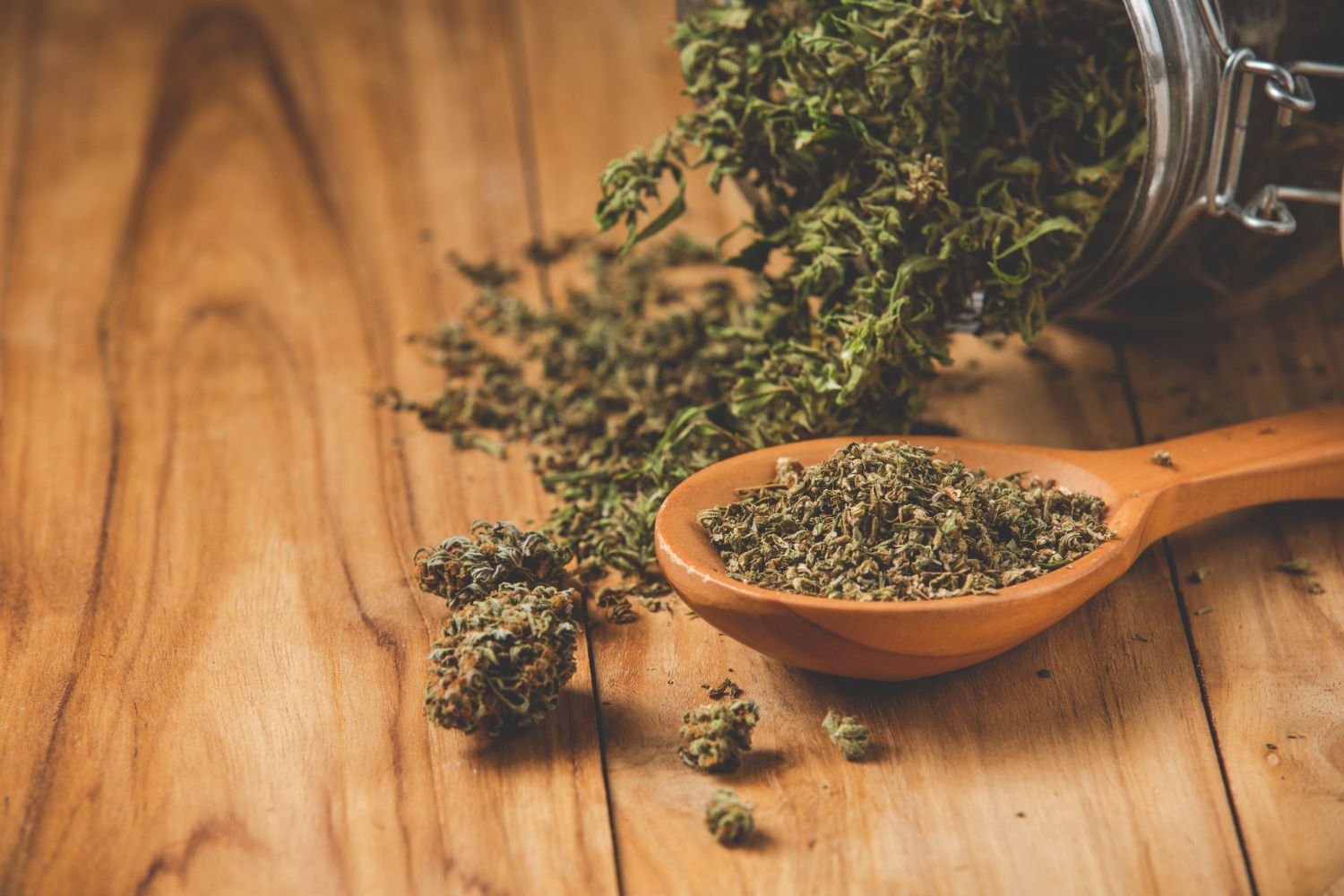
Navigating the modern botanical market often feels like learning a completely new language with shifting definitions. Across various states and jurisdictions, the names and labels used for identical products can vary significantly depending on local rules. This creates a high level of confusion for even the most experienced and dedicated enthusiasts today.
What one shop calls a premium boutique variety, another might label using strictly technical or scientific terminology. This lack of standardization is a result of a rapidly evolving industry trying to find its footing in a complex legal landscape. Understanding the truth behind these labels is the only way to make an educated choice during a purchase.
Most people eventually arrive at a central point of confusion regarding the actual nature of the product they are holding. They want to know if the chemical reality matches the slang terms they have used for decades in their local communities. Addressing the common consumer question: is THCA flower the same as weed? This question requires a deep dive into laboratory data.
Understanding Industry Terminology and Plant Types
The industry has moved toward a more precise classification system that uses "Type I," "Type II," and "Type III" as primary descriptors. Type I refers to varieties that are dominant in acidic precursors and have very little of other minor compounds present. This is the most common variety found in the modern market for adult use.
Type II varieties offer a more balanced ratio where multiple compounds exist in roughly equal proportions within the plant material. These are often sought after by those who prefer a more mellow and nuanced experience rather than extreme potency. This middle ground is becoming increasingly popular as consumers look for more variety in their chemical profiles.
Type III is high in minor compounds and contains almost none of the primary active precursors found in the other categories. This type is generally used for industrial hemp products and wellness applications where no traditional effects are desired. Using these numerical types provides a much more accurate language for professionals and consumers alike.
Classification Based on Specific Testing Protocols
The way a plant is classified at the federal or state level depends entirely on the specific testing protocols used by the lab. Some jurisdictions require "Total THC" testing, which uses heat to convert all molecules into their active state before measuring. Other areas only look at the "Delta-9" levels found in the raw, unheated harvest.
Identical plant genetics can be labeled as industrial hemp in one state and as a restricted variety in another based on these rules. This creates a strange situation where the legal status of a plant changes as it crosses an invisible border. It highlights the importance of understanding the local laws governing the testing of botanical products.
Producers must choose their harvest windows and testing dates with extreme precision to ensure they meet the specific requirements of their area. A few days of extra sun can cause a plant to shift from one legal category into another. This technical reality is what defines the modern market for both the growers and the retail shops.
The Importance of Post-Decarb Testing Results
"Post-Decarb" testing results are essential for anyone looking to understand the full potential of a purchase before they use it. These numbers show exactly what the chemical makeup will be once the material is heated through a traditional method. It provides a complete picture that raw data alone simply cannot offer for the consumer.
Relying only on raw numbers can lead to a misunderstanding of how strong or effective a specific batch will be in practice. A product might show a low active percentage but have a massive concentration of precursors ready for conversion. This hidden potential is what determines the actual value and the quality of the final experience.
Most reputable laboratories now provide both sets of data on their official reports to ensure total transparency for the buyer. This allows a person to see the state of the plant at the time of harvest and its future potential. Reviewing these detailed reports is the smartest way to navigate the shelves of a modern shop today.
How Marketing Trends Obscure Chemical Reality
Marketing trends often prioritize catchy names and colorful packaging over the actual chemical reality of the flower being sold. A name might suggest a fruity or gassy profile that doesn't actually exist in the terpene results of the lab report. This disconnect is designed to grab attention in a crowded and competitive retail environment.
Many buyers get caught up in the "potency wars" where shops compete to show the highest possible numbers on their price tags. This focus on a single metric ignores the importance of the aromatic oils and the overall balance of the profile. A higher number does not always translate into a better or more enjoyable experience.
Cutting through the noise requires a disciplined approach to reading the fine print found on the back of the jar. It is important to ignore the flashy adjectives and focus on the cold, hard facts provided by the scientists. This objective perspective is the only way to ensure that you are getting exactly what you pay for.
Summary of Lab Transparency and Reporting Standards
Transparency in lab reporting is the only way to cut through the noise of market labels and confusing brand names. An independent third-party analysis provides an unbiased look at the purity and the potency of every single batch produced. It is the ultimate tool for verifying the claims made by a grower or a retailer.
As the industry matures, these reporting standards are becoming more rigorous and standardized across the various states and regions. This progress helps to build trust between the consumer and the producer by providing a clear and verifiable history. Safety and quality are the pillars of a successful and sustainable botanical market for everyone.
Investing time in learning how to read these reports pays off through a much more predictable and satisfying experience for enthusiasts. It turns a simple transaction into an educated exploration of the vast and diverse world of plant chemistry. Knowledge is the best defense against the confusion of modern market nomenclature and shifting labels.