
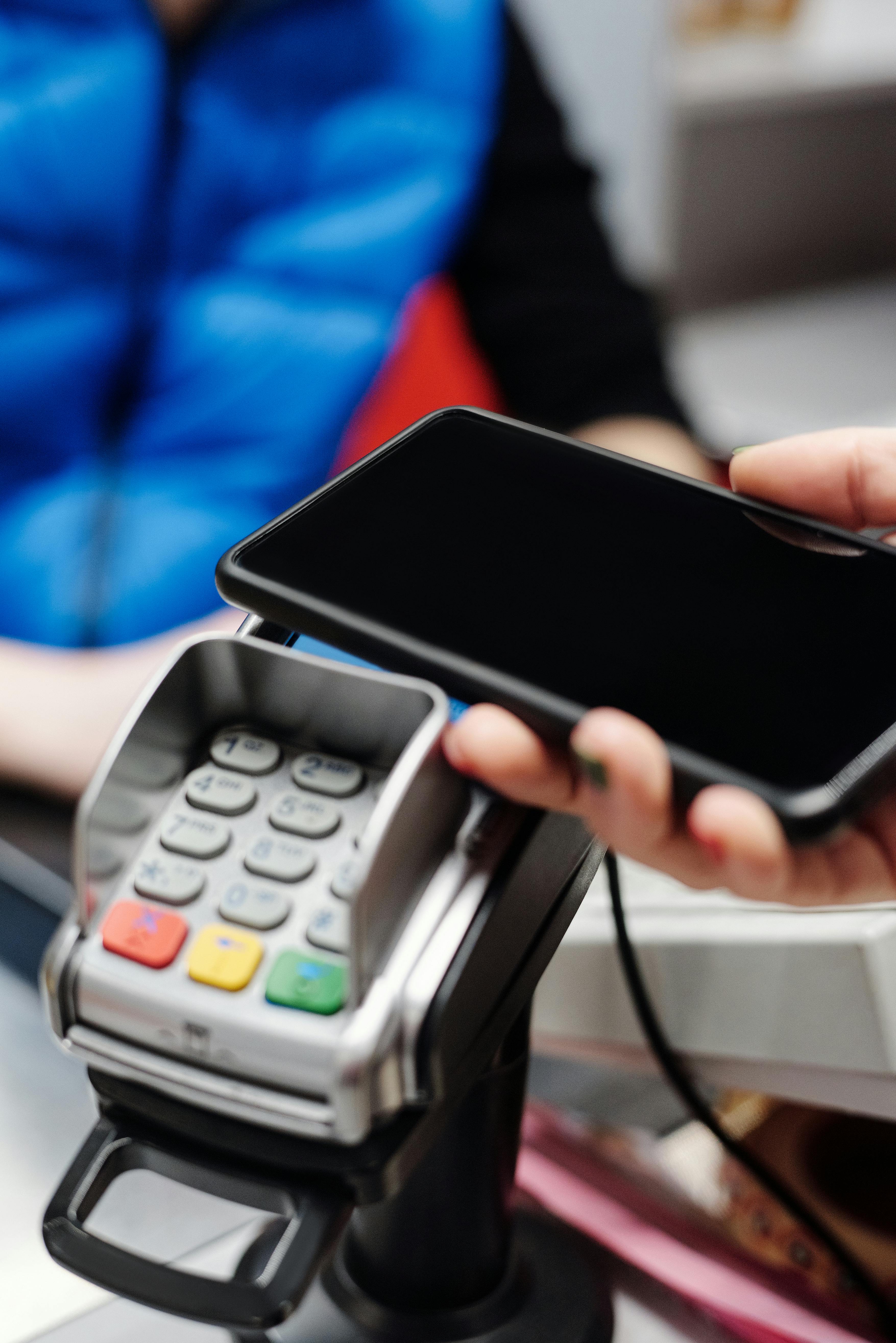
Direct carrier billing in Canada has seen a rapid increase due to the growing culture of online content consumption. With mobile gaming apps and subscription services driving the need for seamless, one-tap payments, this payment method is seriously gaining traction as it offers people convenience, security and accessibility without the need for a credit card.
Direct carrier billing (DCB) has become a significant payment method in Canada, enabling people to charge bills directly to their mobile phone bills. From streaming subscriptions to Boku casinos, this frictionless process eliminates the need for credit cards or bank details during transactions.
Having been valued at over $1.3 billion in 2024, the Canadian DCB market is expected to grow significantly by 2035, with an estimated growth rate of 10% per year. This goes to show that Canada has become part of a broader shift towards mobile-centric payment methods, a trend that's being driven by convenience and consumer behavior.
What Is Carrier Billing?
In simple terms, carrier billing (also called direct carrier billing) enables you to buy digital content or services and charge the cost directly to your phone bill instead of using a credit or debit card. It's a mobile-first payment option that's particularly useful when it comes to things like:
- In-app purchases
- Games, streaming, and digital subscriptions
- Small digital content transactions
It's especially useful if you don't have a credit card or bank account because you don't need to enter any account details to use it. Any purchase you make can be confirmed through your mobile network and added to your phone bill.
How It Works
1. Select Payment - When checking out in an app store or streaming service, you select the option that says either "Pay by mobile" or "Carrier Billing."
2. Authenticate - You enter your mobile phone number. As an added security measure, you usually receive an OTP via SMS to verify the transaction.
3. Complete - Once confirmed, the purchase is processed instantly, and the charge appears on your next phone statement.
It's a simple, quick and convenient contactless payment method.
Why Carrier Billing Is Growing in Canada
Smartphones are everywhere these days, and with over 84% of Canadians over the age of 15 owning a smartphone, it just makes sense that a lot of people prefer to use their phones for everything and anything. This preference is what drives the demand for mobile-first payment solutions. With the surge in mobile gaming, which accounts for over 40% of DCB revenue globally, and subscription-based OTT services like Netflix and Spotify, it's just easier to find payment options that are less complicated.
Ease and convenience are two things that a lot of people prioritize, so if you can just tap a button to add funds to your online casino wallet or quickly renew your Amazon Prime, that's probably the option you'll end up choosing. Research has actually shown that the one-click payment experience that DCB offers can reduce checkout abandonment by over 20% compared to traditional card-based methods.
A lot of the major Canadian telecom providers have been gradually integrating carrier billing into their mobile sites and app stores, expanding your payment options beyond just banking. Even though most Canadians do have traditional banking accounts, many still prefer the extra layer of security they feel like they're getting with DCB, since it doesn't require any sharing of their financial information. Some people also use it as a way to manage their smaller digital expenses separately from their main bank accounts.
How People In Canada Are Using Carrier Billing
Canadians aren't necessarily using carrier billing as a way to replace credit cards, but more in a way that complements them in scenarios where speed and convenience are a priority.
The most common use of carrier billing for Canadians is for purchasing items like digital content and apps. They use it for things like:
- Buying premium apps or digital tools.
- Buying virtual currency, "skins," or extra lives in mobile games.
- Purchasing e-books, audiobooks, and digital music.
Many Canadians also use carrier billing for streaming services as a way to help them manage their recurring monthly fees for entertainment services like Spotify, Neflix or Disney+. Gaming, of course, remains the largest sector for carrier billing as it facilitates small, frequent payments in games where people want an instant and frictionless checkout. After all, nobody wants to go through the hassle of having to open their banking app just to top up their lives on CandyCrush.
Even though digital content is dominating the market, the use of carrier billing has also expanded to include real-world services. In certain municipalities, you can use carrier billing to pay for your bus tickets or parking fees. Some value-added services like horoscopes, weather alerts or premium news subscriptions also accept this payment method. You can even make small charity donations via SMS, which are then added to your monthly bill.
The Future of Frictionless Payments
There's no denying that carrier billing is becoming a more popular payment option in today's ever-expanding digital market. Whether you're topping up your online casino account or renewing your Spotify subscription so you can listen to your favorite TrueCrime podcast, the ease and convenience of carrier billing make these transactions less taxing. More than a passing trend, DCB seems to be carving a space for itself in the future of mobile-first payments.