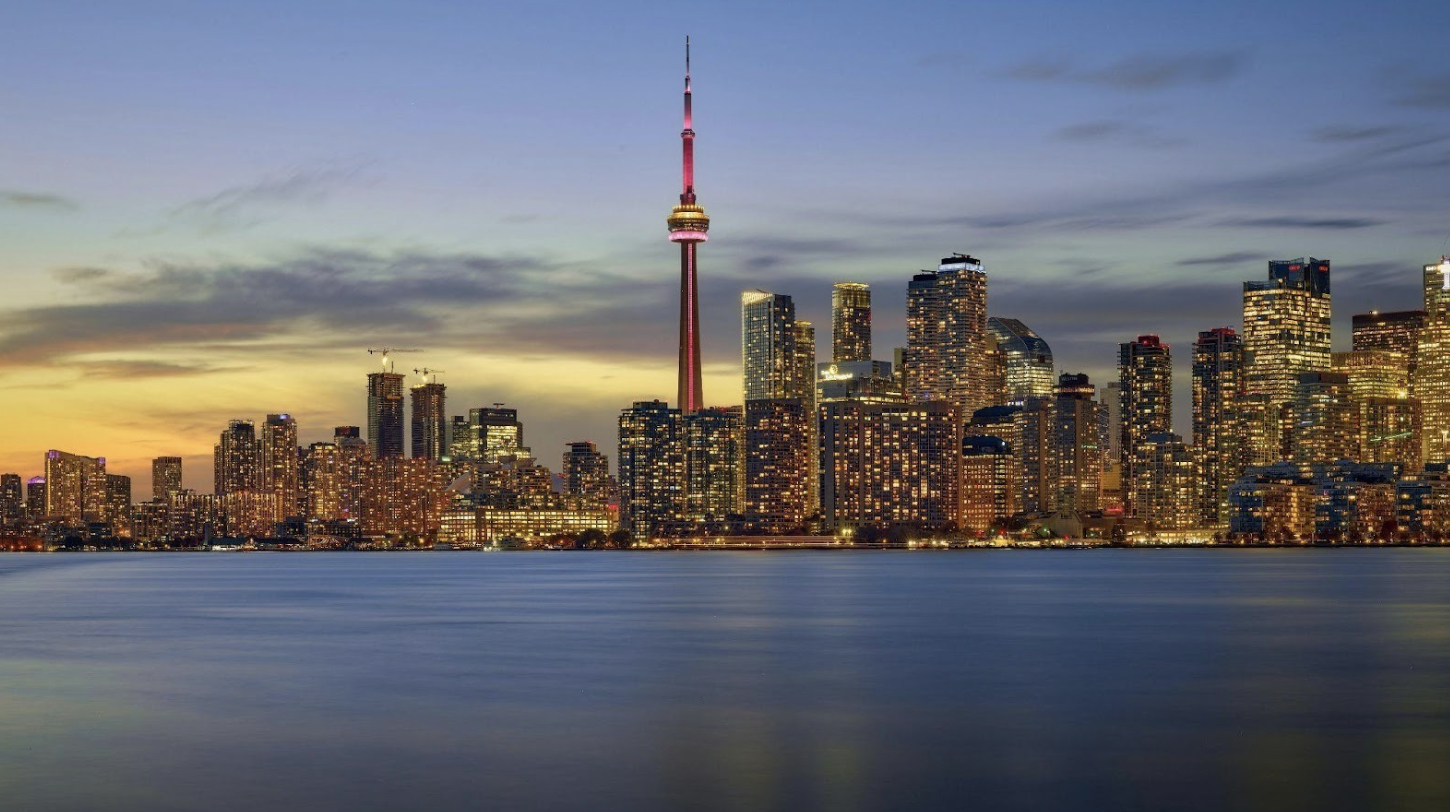
Every city has a place that insists on staying awake. In Toronto, that place is the Entertainment District. By day, it might seem ordinary with glass towers, office traffic, and cranes pulling more apartments into the sky. But after dusk, the mask comes off. Theatres draw their curtains, rooftop bars glow like lanterns, and thousands of people spill into the streets searching for something that feels like escape.
The Rhythm of a Night in the District
What makes the Entertainment District different is its concentration. Within a handful of streets between Queen and the Gardiner, Toronto has compressed its appetite for spectacle: live theatre, comedy clubs, cocktail dens, nightclubs, and even the chance of a late flutter at the casino. It is a patch of the city that performs for itself as much as for outsiders.
Destination Toronto describes it as “all about food, drink, and spectacle.” What that phrase misses is how the area feels. It’s a neighbourhood with the same energy as a festival ground, but it only happens every night.
Theatres
The theatres are still the backbone. The Mirvish-run Princess of Wales and Royal Alexandra theatres give King Street West the feel of a mini-Broadway, with queues of ticket holders forming early in the evening. Inside, ushers guide people to red velvet seats, and the ripple of anticipation comes before the overture.
For others, the lure is comedy. The Second City, now housed in a purpose-built space on Mercer Street, keeps Toronto’s tradition of sharp, improvised humor alive. On the right night, the laughter here can feel like the actual soundtrack of the district.
Film, too, has its anchor in the TIFF Bell Lightbox. It is not just a September festival showcase but a year-round cultural hub, showing work rarely reaching mainstream screens.
Rooftops
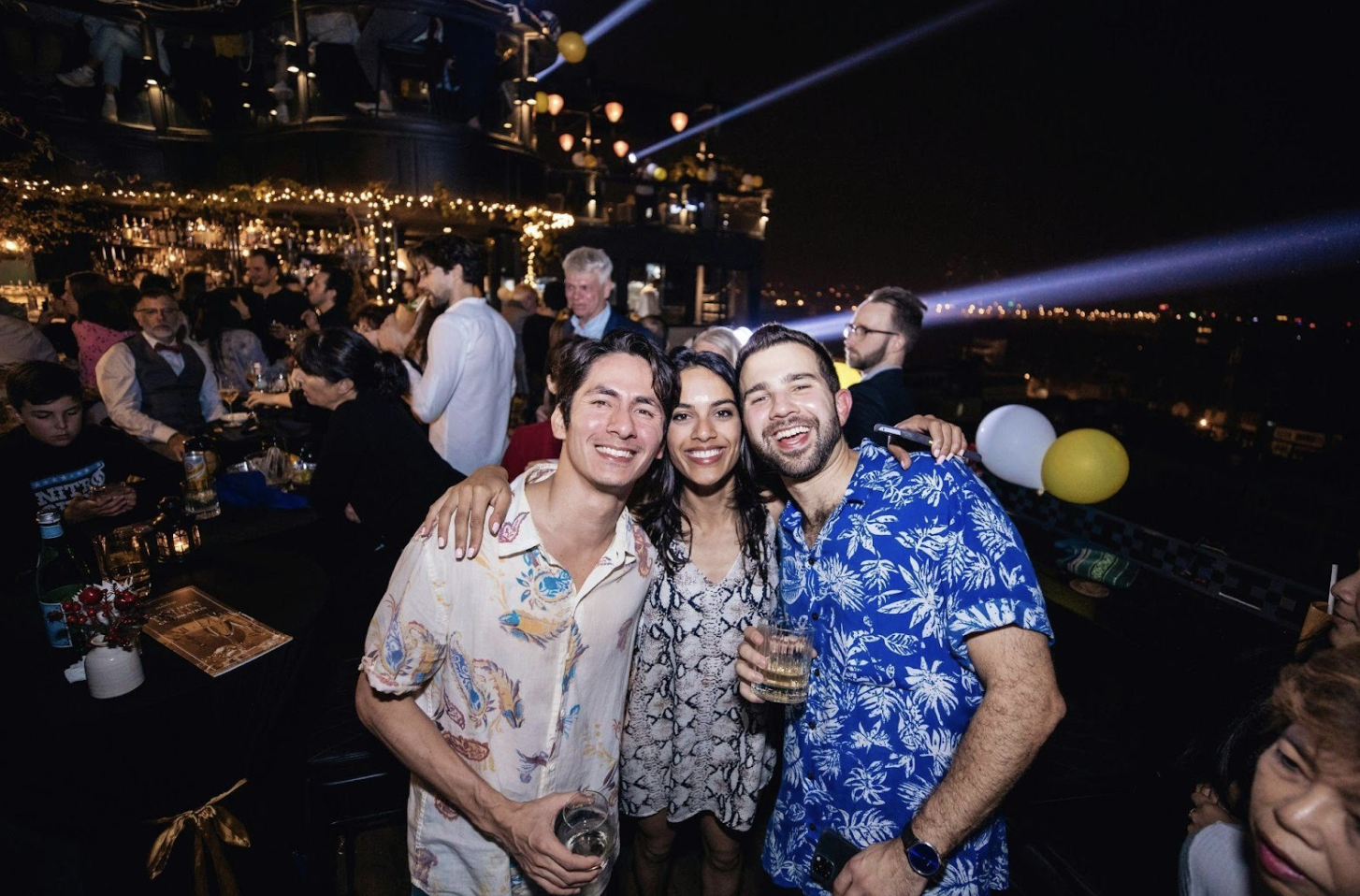
As curtain calls fade, another ritual begins. Rooftop bars and lounges in and around the district trade on the skyline as a spectacle. At the top of the Bisha Hotel, Kost and Lavelle, with its rooftop pool on King Street, is where the view is part of the drink.
These spaces are the opposite of theatre: unscripted and improvised, held together by mood lighting and a DJ’s playlist. In these places, the night becomes a social performance to be seen, photographed, and consumed.
Casinos
What Toronto doesn’t have in the downtown core is a Vegas-style strip. But the city’s appetite for gaming has been answered differently. Here, the casino lives on your phone.
Online casino in Toronto apps have blurred the line between traditional nightlife and digital gaming. The same way you move from a theatre seat to a rooftop cocktail or from a comedy show to a dance floor, you can slip into live-dealer blackjack, spin a roulette wheel, or test your luck on themed slots.
What matters is the integration. Online casinos have become part of the rhythm: you check between shows, play while waiting for friends, or dip in as the night winds down. Like the city, they are mobile, adaptable, and always awake.
Clubs
Later, when the rooftop glow dims, the night tilts toward clubs. Ruby Soho, The Fifth Social Club, and Toybox throw open their doors around ten, and by midnight, the queues have formed. The sound is different here: not orchestras or jazz but bass-heavy loops that roll through the streets as doors swing open.
These places exist on energy and repetition. A thousand people dancing under one roof is a civic act, a temporary city made of bodies and noise.
Food
Every nightlife district has punctuation marks; in Toronto, it is food. Late-night tacos on John Street, a slice of pizza grabbed between bars, burgers that arrive just as the table leans with empty glasses.
Late-night food in Toronto is fuel for the next act of the night, or a soft landing when it’s time to stop. And for those who refuse to call it a night, the city answers back with 24-hour restaurants and round-the-clock spots scattered across downtown, where the neon buzz fades into the clatter of cutlery and the comfort of something warm.
The Bigger Picture
Toronto has leaned into its “night economy,” recognizing that a thriving city after dark is more than fun. In 2024, visitor spending hit $8.8 billion, with nightlife making up a significant share. More than a third of restaurant and bar spending happens after 7 p.m., a statistic that reveals just how nocturnal this city has become.
The Entertainment District is the center of that equation. It is not flawless. There are noise complaints, long lines, and heavy police presence after big games at the Rogers Centre. These are all natural results of packing so much energy into one place. However, it remains the place where Toronto shows itself as a world city.
Toronto by Night
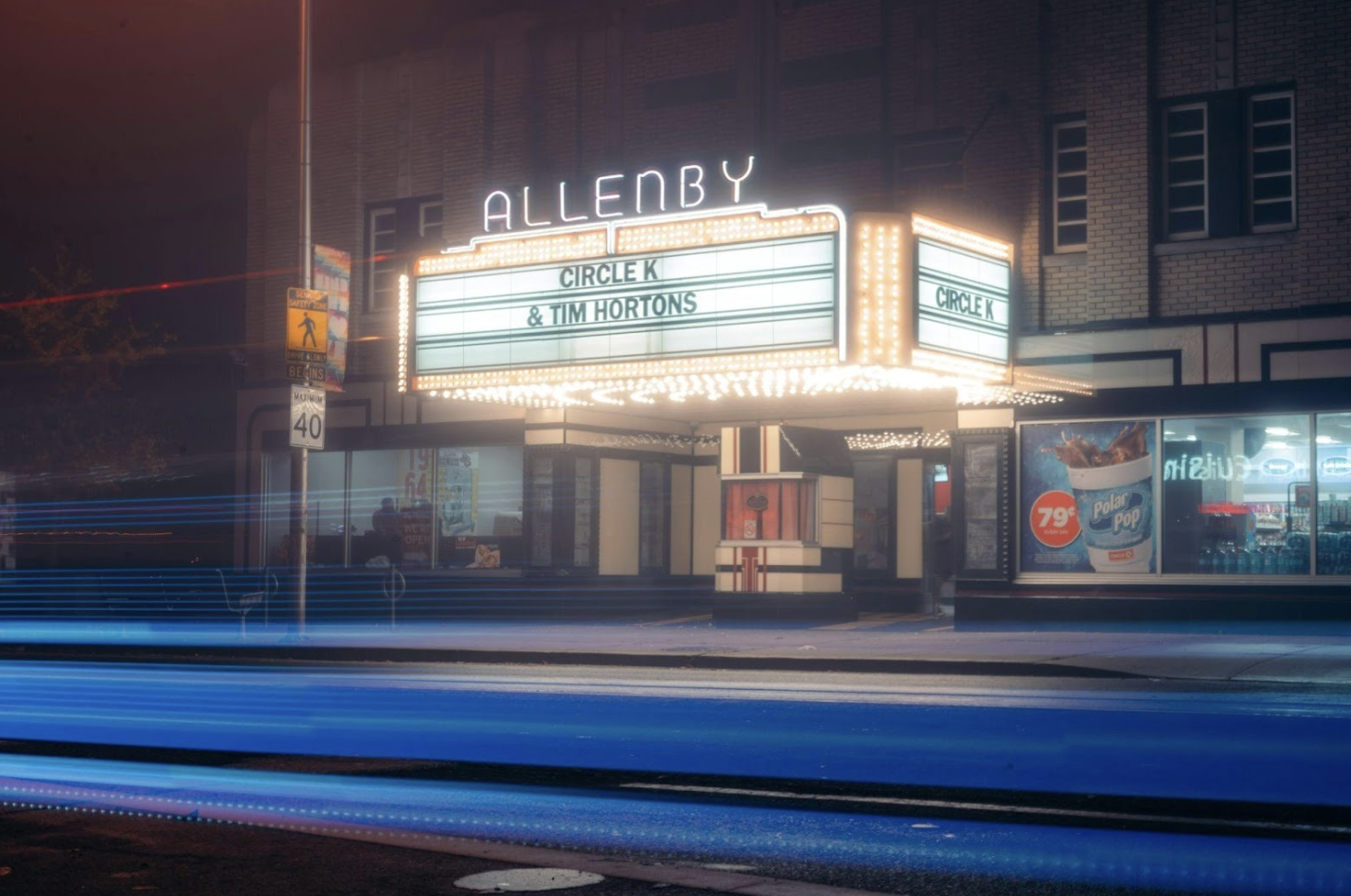
Walking through the Entertainment District at night is seeing Toronto negotiating its identity, lit up in neon and screen light alike. It is a district of stages, some with velvet curtains, some with skyline views. The casino is no longer just a place outside the core. With online casino platforms, the idea of gaming has folded itself into the city’s nightlife, available in the pauses between acts, in the cab ride home, or in the quiet minutes after the clubs spill out. It exists alongside theatre and music as the city plays with uncertainty.