
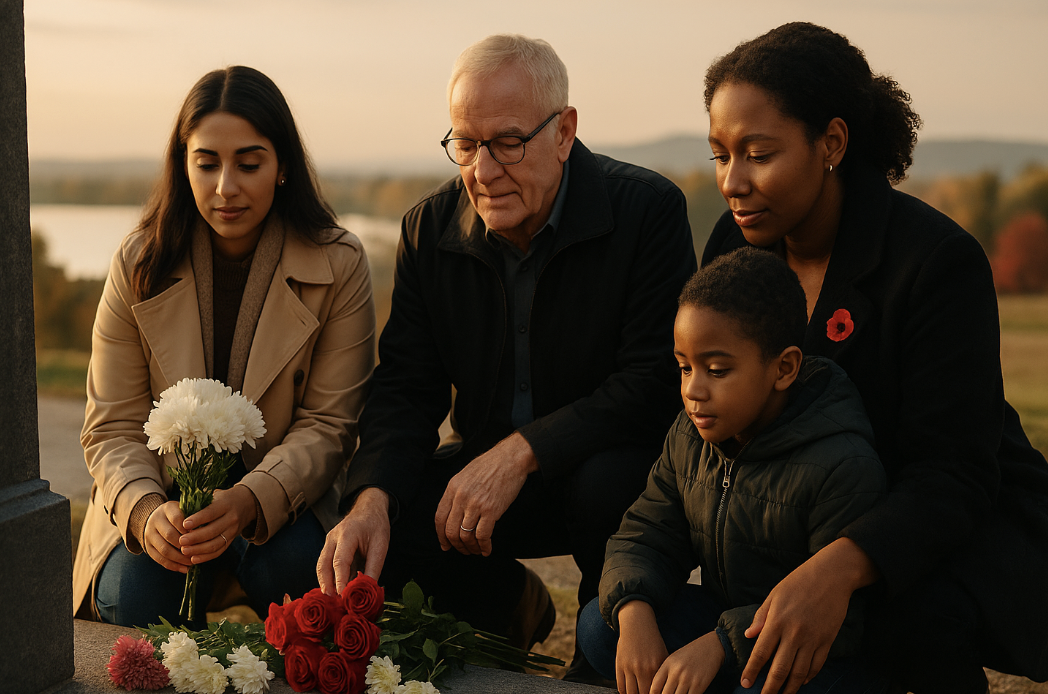
Honouring loved ones has deep meaning in Canada. Families and communities look for steady ways to keep memories close, and those choices often reflect a mix of culture, history, and personal experience. People turn to traditions that feel honest because grief needs spaces that help them feel grounded.
Across the country, remembrance takes many shapes. Some families rely on long-held customs, while others create new rituals that fit their changing lives. That’s why Canadian remembrance is rarely one single practice. It grows from both personal stories and shared national identity.
In this article, we’re going to explore how Canadians honour those they’ve lost and why these practices matter. If you want a clear look at the traditions, gatherings, and small everyday acts that help people stay connected to loved ones, this article will guide you through that landscape with clarity and respect.
Also read: Renaissance Toronto and Other Such Scams
The Heart of Canadian Remembrance
Remembrance in Canada goes far beyond pinning a poppy to your coat. It shows up in how people talk about the country, how they see their place in the world, and how they teach their kids about sacrifice.
Canadians like to think of themselves as calm and steady, yet willing to step forward when something truly matters. That identity comes from ordinary people who left farms, offices, and classrooms to serve in wars they hoped would finally bring peace.
The connection is personal. Most families can point to someone who served, such as a great-grandfather at Vimy Ridge, a grandmother in a munitions plant, or a neighbor deployed overseas. Those stories live inside homes, which is why Remembrance Day feels so intimate. When everything stops for two minutes, people picture real faces and real sacrifice.
Canadian remembrance honors service without celebrating war. Veterans often say they fought for each other and for the freedoms we carry today. That humility shapes how Canada remembers: with gratitude and a steady commitment to peace.
Blending Cultural Roots With Modern Life
Canada’s remembrance tradition reflects its multicultural reality. Indigenous veterans bring ceremonies with drumming and smudging. Sikh Canadians remember turbaned soldiers who served in both World Wars. Chinese, Japanese, and Black Canadians honor relatives who fought even when their own rights were limited.
Modern ceremonies weave these histories together. You might hear bagpipes, then a veteran speaking in Punjabi, or see crosses and turbans in the same cemetery. Schools now teach students about these contributions, expanding the story beyond the well-known battles.
This blend makes remembrance feel stronger. Young Canadians see that sacrifice came from every community, and those stories keep history alive in a real, personal way.
Why Honour Takes Many Forms Across the Country
In Newfoundland, July 1st is a day of quiet reflection for the soldiers lost at Beaumont-Hamel. In Ottawa, crowds gather at the National War Memorial every November. Prairie towns paint soldier silhouettes on main streets. Each region remembers in its own way because war touched every place differently.
Quebec’s history with conscription shapes how some view military service, yet Montreal’s Remembrance Day ceremonies still draw strong, respectful crowds. Indigenous communities hold their own events, honoring veterans while naming the discrimination many faced when they came home.
What ties all these approaches together is simple: a shared respect for those who served. From big cities to small cenotaphs, remembrance gives Canadians a common space to stand together.
Also read: When Canadian Punks Took Over the World
Traditions Passed Down Through Families
Family traditions are the threads that connect generations. They're the recipes your grandmother refuses to write down because "you just know when it feels right." They're the jokes that make no sense to outsiders but send your whole family into laughter. They're the specific ways your dad always carves the turkey or how your mom insists everyone share what they're grateful for before dinner.
Those moments carry values, history, and identity from one generation to the next. Jeffrey Vaynberg, the Co-Founder of an online headstone store, shares that families often talk about these rituals when remembering loved ones because they reveal who a person was and what they passed down.
A parent teaching a child to make pierogies the way their Polish grandmother did isn’t just passing on a recipe. They’re handing over a piece of family identity. Kids may roll their eyes at another gathering, but years later, they end up repeating those same rituals because that’s where they felt rooted.
What makes family traditions powerful is their consistency in an ever-changing world. Jobs change, friends move away, technology evolves, but family traditions remain. They're the constants that anchor us.
Gatherings, Shared Meals, and Storytelling
Food brings families together in ways nothing else can. Whether it's Sunday dinner at grandma's house, a backyard barbecue every Canada Day, or making Christmas cookies together, shared meals create space for connection. The kitchen becomes the heart of the home where kids do homework while a parent cooks, where teenagers finally open up about their day, and where adults linger over coffee long after the dishes are done.
These gatherings are when family stories get told. Uncle Joe retells the story about the time Dad drove the tractor into the pond. Your grandmother shares what life was like when she first immigrated. These stories, repeated year after year, become family lore. They teach younger generations about resilience, humor, and their place in the broader family narrative.
The Comfort of Familiar Rituals
There's deep comfort in rituals that never change. Watching the same holiday movie every year. Opening gifts youngest-to-oldest. Friday night pizza nights. These predictable patterns create security, especially for children. They know what to expect, and that consistency feels safe.
As adults, we return to these rituals during difficult times. After a loss, going through familiar motions, such as lighting the same candles, singing the same songs, helps us heal. These rituals connect us to everyone who came before and everyone who'll come after, reminding us we're part of something bigger than ourselves.
National and Community Ways of Remembering
Remembrance in Canada works on two connected levels. There’s the national layer, like the televised ceremonies, the official events, the monuments that anchor our capital cities. Then there’s the community layer. It’s the local cenotaph gathering, the school assembly, the street named after someone who never made it home. Both carry weight, and both rely on each other.
National remembrance gives Canadians shared symbols and familiar rituals. It creates a moment where the entire country pauses with the same purpose. But the community level is where remembrance becomes personal. That’s where stories move from history books into living memory. It’s where people remember the neighbor who enlisted right after graduation or the family whose son served overseas.
What makes this two-level approach work is the balance it creates. National ceremonies pull the lens wide, reminding us that individual sacrifice shaped the direction of the country. Local remembrance brings the lens close again, showing the hopes, families, and unfinished lives behind every name. Together, they protect both the scale of sacrifice and the quiet human cost within it.
Ceremonies, Memorial Days, and Local Tributes
Remembrance Day is the national moment, yet many communities also mark their own dates. It might be a regiment’s battle anniversary, the day a local soldier died, or Newfoundland’s July 1st observance at Beaumont-Hamel. Ceremonies follow patterns people recognize. Wreaths laid with care. Veterans marching or being pushed in wheelchairs. Cadets holding their posture in the cold. Bagpipes carried across a quiet crowd.
Local tributes add what national events often miss. Some towns build memory walls with photos and letters. Libraries create small displays. Legion halls become safe places for veterans to talk. A rural community might tend one soldier’s grave so he’s never forgotten.
How Communities Come Together in Quiet Respect
The two minutes of silence at 11 a.m. on November 11th is when you feel community most strongly. Traffic stops. Construction sites go quiet. Coffee shops pause mid-order. In that stillness, everyone, including young and old, newcomers and longtime residents, shares the same moment of reflection.
This collective pause is powerful because it's voluntary. Nobody forces people to stop, yet most do. It's a choice communities make together, year after year, showing that some things matter more than our busy schedules.
The Meaning Behind These Practices
Why do these ceremonies continue year after year? Why does lighting a candle or laying a wreath still matter? At first glance, the actions seem small, but they hold deep meaning. Remembrance shapes how people see the country today. Honoring those who served signals what we value. It shows courage, sacrifice, and responsibility to something larger. Every generation ends up rediscovering that.
The strength of these practices comes from the way they connect past and present. A teenager wearing a poppy links to someone who fought at Vimy Ridge. A family at a memorial helps their kids understand that peace had a cost. Simple acts make history feel alive and personal.
Keeping Legacies Alive Through Small Acts
Canada’s remembrance traditions reflect its multicultural reality. Indigenous veterans bring drumming and smudging. Sikh Canadians honor turbaned soldiers who served in both World Wars. Chinese, Japanese, and Black Canadians remember relatives who fought even while facing limited rights at home.
Modern ceremonies bring these histories into the same space. You might hear bagpipes followed by a veteran speaking in Punjabi, or see crosses and turbans in the same cemetery. Schools now teach these stories so the narrative reaches beyond the familiar battles.
This mix makes remembrance feel deeper. Young Canadians learn that sacrifice came from many communities, and those connections keep the past alive.
How Rituals Help People Feel Connected Again
Modern life is isolating. We work long hours, stare at screens, and live far from extended family. Remembrance rituals offer something increasingly rare: shared experience. Standing together in silence, singing the national anthem, and watching veterans march. These moments connect strangers through a common purpose.
For veterans and military families, these rituals provide validation. They confirm that their service and sacrifice weren't forgotten, that the country still cares. For everyone else, rituals offer a chance to express gratitude they might not know how to voice otherwise.
Final Thoughts
Remembrance in Canada is both a national commitment and a deeply personal act. It's found in grand ceremonies and quiet moments, in official holidays and family stories passed down through generations. What makes Canadian remembrance special is how it honors service without glorifying war, how it welcomes diverse traditions while maintaining shared rituals, and how it connects past sacrifice to present freedom.
When you stand at a cenotaph in a small town, watch the national ceremony, or pause at 11 a.m. wherever you happen to be, you’re stepping into a shared moment with the rest of the country. That pause is a promise, a way of saying the people who served won’t disappear from our memory. Also, it passes something on. Future generations learn what peace actually costs and why it matters. Remembrance looks to the past, but it also shapes how we choose to live and what we decide to protect.