
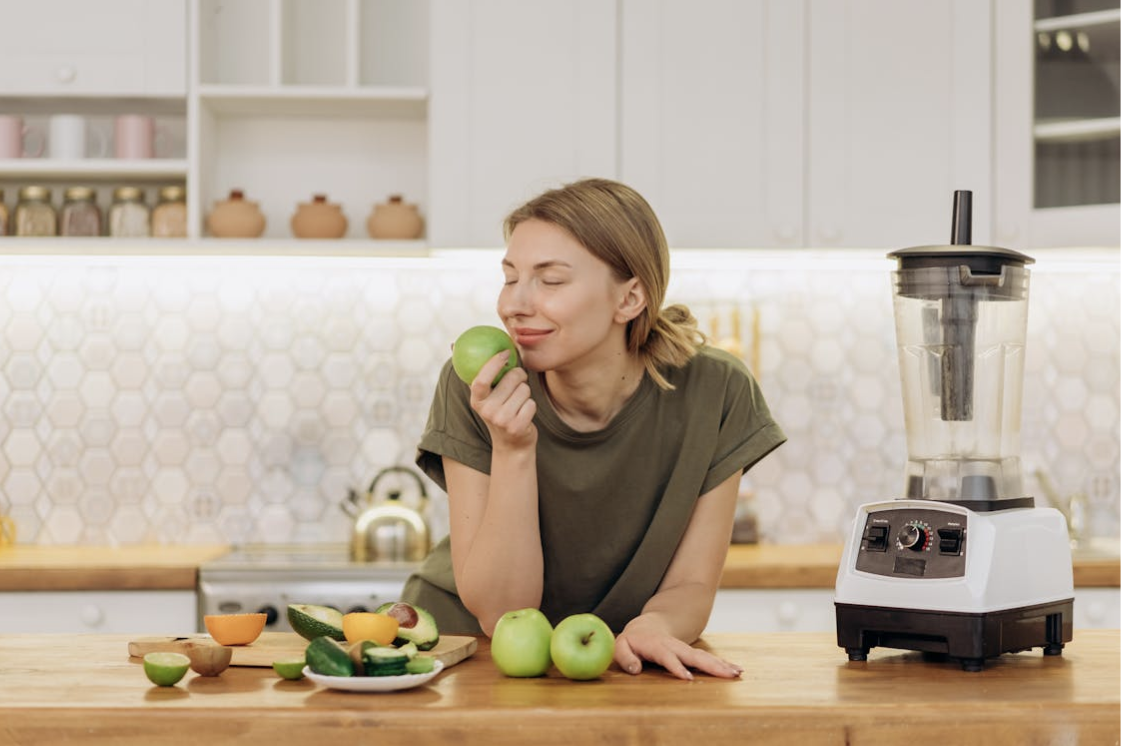
Health is often framed as something that requires strict plans or complicated systems. In reality, many people want an approach that feels supportive without being overwhelming. This mindset moves the focus away from perfection and toward consistency that feels natural.
Living this way is less about chasing a single definition of health and more about adapting with time. The body has seasons of energy, shifts in needs, and differences from person to person. A sustainable approach respects such realities. Keeping meals simple, adjusting expectations, avoiding comparisons, and valuing rest are practical ways to support health without turning it into a source of pressure.
Let’s discuss this further below:
Keeping Meals Simple
Food doesn’t have to be complex to be nourishing. Many people find that keeping meals straightforward helps them eat consistently and removes the burden of having to plan around long recipes. A simple approach can mean focusing on whole ingredients that come together quickly, like grains, fruit, vegetables, or lean proteins. This way, eating well becomes part of daily life rather than a stressful task.
Another option is to create meals that require minimal effort but still feel complete. A protein acai bowl, for example, can be assembled in minutes and adjusted with fruit, nuts, or seeds. Adding whey protein isolate from USANA Health Sciences provides support without making the process complicated. This way of eating is less about counting or perfect planning and more about choosing meals that are easy to repeat.
Recognizing Shifts in Energy
Energy naturally rises and falls, and those changes don’t always follow a predictable pattern. Instead of expecting the body to perform the same way every day, it’s useful to acknowledge when energy feels lower or higher. This awareness helps guide choices in a way that avoids unnecessary strain.
For instance, on days when energy feels steady, a person might enjoy a longer walk or more active tasks. On days when energy feels lower, it might make sense to rest earlier, shorten activity, or spread tasks out. Accepting these shifts makes daily routines more realistic and keeps health practices aligned with how the body actually feels in the moment.
Letting Go of Comparison
Comparison is one of the biggest barriers to feeling content with health. It can be tempting to measure progress against friends, co-workers, or what’s seen online, but those comparisons often ignore context. Each body has different needs, histories, and ways of responding. Holding personal progress against someone else’s results can take away from recognizing what’s actually working.
Focusing inward instead allows space for health to feel more personal. Rather than asking how choices stack up against others, it’s more useful to ask: Does this routine make me feel comfortable? Is it something I can keep doing long term? Letting go of comparison encourages people to create a version of health that belongs to them, not a copy of someone else’s approach.
Choosing Rest
Rest supports balance in ways that constant activity cannot. It can mean full sleep at night, but it can also be shorter breaks during the day, quiet moments in the evening, or simply slowing down. Without rest, the body has a harder time keeping up with everyday demands. Choosing rest is not giving up; it is creating space for recovery and balance.
Making rest part of a routine can look different for everyone. Some may value an afternoon nap, while others might prefer a slow evening walk or sitting quietly with a book. What matters is recognizing when the body is asking for a pause and responding without guilt.
Calming the Mind and Body
The state of the mind directly influences how daily life feels, and setting aside time for calm can bring balance. This doesn’t need to mean hour-long routines or structured practices. A few quiet minutes each day, whether it’s sitting in silence, breathing steadily, or simply stepping away from screens, can create a noticeable difference in how grounded someone feels.
Calming the body is equally important. Activities like stretching, light yoga, or mindful walking can give muscles a chance to release tension while giving the mind something simple to focus on. The point isn’t to perform perfectly, but to allow space where both mind and body are not pushed, judged, or compared.
Appreciating the Strength of the Body
The body is often evaluated for how it looks, but strength is a more meaningful measure. Appreciating strength means noticing what the body can do, like lifting groceries, climbing stairs, carrying children, or completing a workday.
Recognizing strength also encourages gratitude. Instead of focusing on what has changed or what isn’t the same as before, attention can shift to what the body is still capable of.
Using Creativity as Self-Care
Creativity supports wellness by giving people an outlet for expression. Drawing, cooking, writing, or playing music are all ways to use creativity as part of daily life. Such activities provide focus, bring enjoyment, and create a sense of accomplishment without needing to meet external standards.
Treating creativity as care means choosing activities for enjoyment rather than productivity. It’s not about producing something to show others, but about engaging in something that feels meaningful in the moment.
Health Looks Different for Everyone
Health does not follow one single path. Two people may eat differently, exercise differently, or rest differently and still both be supporting their health. Accepting this truth reduces the pressure to conform to strict images of wellness presented online or in the media or from BLS Certification Vaughan.
Acknowledging individuality encourages people to honor their own routines instead of copying what someone else is doing. What matters most is whether the choices are sustainable and feel supportive in daily life.
Releasing Pressure Around Appearance
Appearance has long been tied to health in public conversation, but that link is misleading. A person’s size or shape does not define their overall wellness. Releasing the pressure around appearance makes it possible to view health more broadly, through energy, habits, and daily comfort rather than through mirrors or scales.
Instead of making choices for external approval, people can focus on what genuinely feels good for their body. The shift reduces unnecessary judgment and helps create a more balanced approach to living well.
Physical and Emotional Nourishment
Health involves more than what’s on the plate or how active someone is. Emotional nourishment, like spending time with loved ones, pursuing interests, or finding moments of calm, supports the body in ways that physical routines alone cannot.
Balancing both aspects means viewing nourishment as a complete picture. Eating balanced meals supports the body, while meaningful connections and hobbies support the mind.
Honoring the body’s changes while supporting health is about accepting reality rather than resisting it. Needs shift, energy fluctuates, and appearances evolve. Instead of chasing rigid ideals, health becomes more sustainable when approached with flexibility, simplicity, and respect for individuality.