
When preparing for a relocation, one of the biggest challenges is making sure your possessions survive the trip in one piece. For those planning a move with Calgary to Kelowna movers, the journey may only take a day, but the risks to fragile, heavy, or sentimental items can be high if they aren’t packed properly. Packing safely is the foundation of a smooth, stress-free transition to your new home.
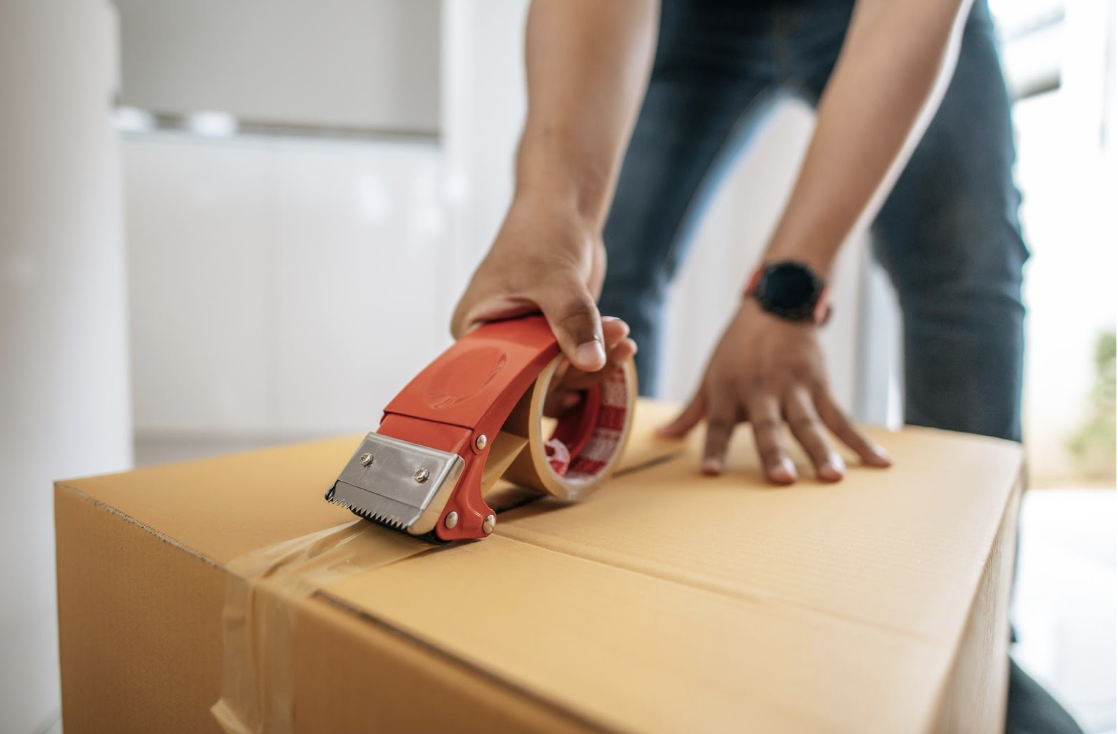
Why Packing Matters So Much in Long-Distance Moves
Unlike local moves where you might be transporting items a short distance and unloading them quickly, long-distance relocations expose your belongings to more handling, longer transit times, and varying road conditions. Boxes that are poorly packed may withstand a five-minute drive across town but collapse during a six-hour highway journey.
Safe packing means:
- Protecting fragile items from damage.
- Keeping heavy boxes manageable and stable.
- Reducing overall moving stress by staying organized.
Mistake to Avoid: Using Random Boxes
People often collect leftover boxes from grocery stores or online deliveries. It does save money, but it’s not always the safest option for a long-distance move. Thin or worn cardboard can collapse under weight, leading to crushed belongings.
Best Choice for Long-Distance Packing
- Sturdy moving boxes designed for household goods.
- Specialized dish packs, wardrobe boxes, and file boxes for sensitive items.
- Uniform box sizes for easier stacking in the truck.
Packing Room by Room
Breaking down the process room by room helps ensure nothing gets overlooked and that items are packed logically.
Kitchen: The Most Fragile Room
The kitchen contains fragile items like glasses, plates, and appliances. Use bubble wrap, packing paper, or dish inserts to prevent breakage.
- Place heavy dishes at the bottom of the box.
- Wrap glasses individually and store upright.
- Use towels as padding to maximize space.
Living Room: Electronics and Decor
Flat-screen TVs, gaming consoles, and framed artwork need extra care.
- Use original packaging when possible.
- Wrap cords neatly and label them.
- Place artwork between sheets of cardboard for stability.
Bedrooms: Clothing and Personal Items
Wardrobe boxes allow you to transfer clothes on hangers directly, saving time during unpacking. For folded items, use suitcases or smaller boxes. Keep jewelry, passports, and personal documents in a separate essentials bag you carry with you.
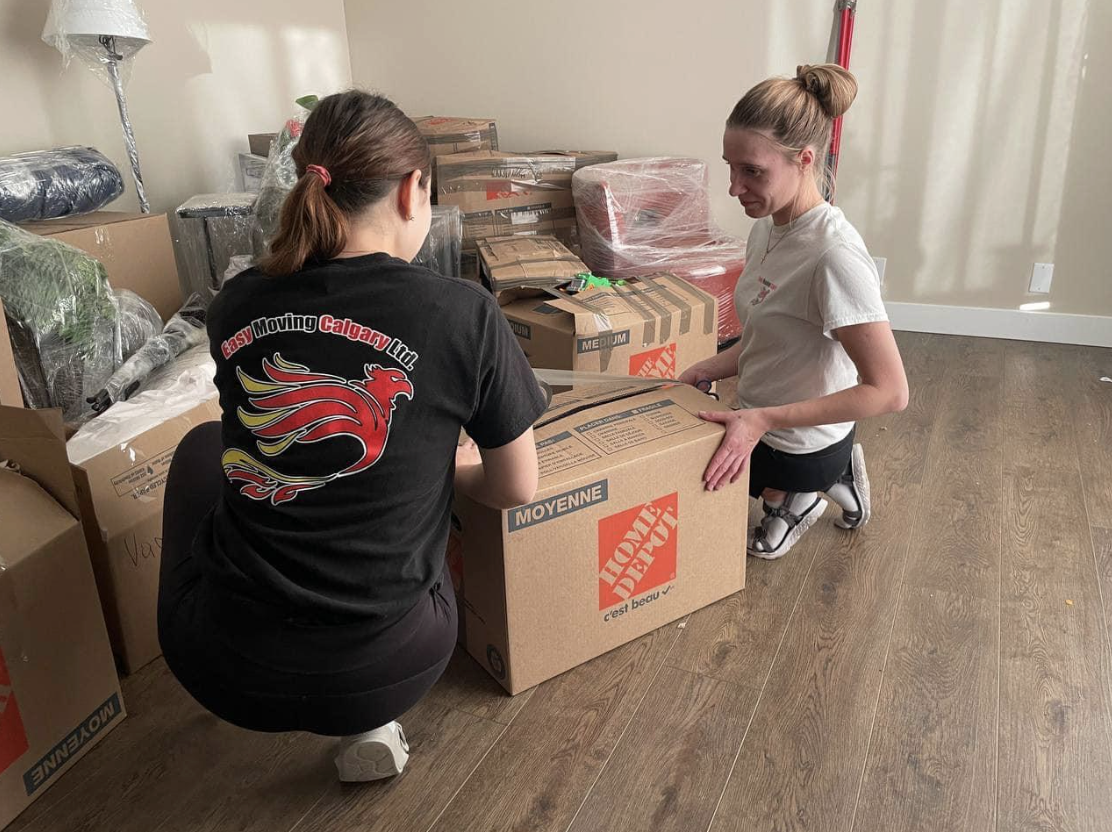
(Photo 2 here – movers carefully packing a flat-screen TV into a padded box)
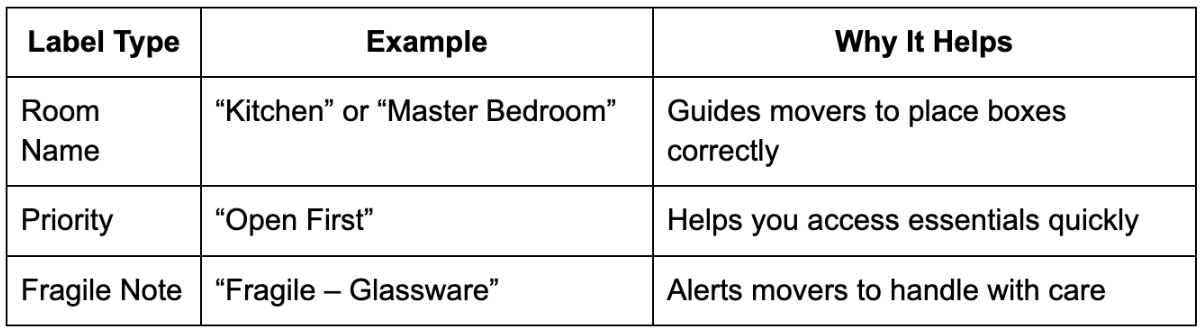
Labeling: A Small Step That Saves Hours
One of the simplest yet most overlooked steps is labeling. People often write vague notes like “Miscellaneous” or “Stuff.” Later, this leads to hours of frustration when unpacking.
A Smarter System
Don’t Forget About Furniture
Large furniture pieces often require disassembly. Yet many people skip this step, trying to move entire dressers, bedframes, or bookshelves as they are. This increases the risk of scratches, dents, and strained backs.
Best Practices for Furniture Packing
- Remove legs from tables and label the parts.
- Wrap furniture in moving blankets or stretch wrap to protect from scratches.
- Store screws, bolts, and small parts in a labeled plastic bag taped to the item.
Packing for Safety: Heavy vs. Light Items
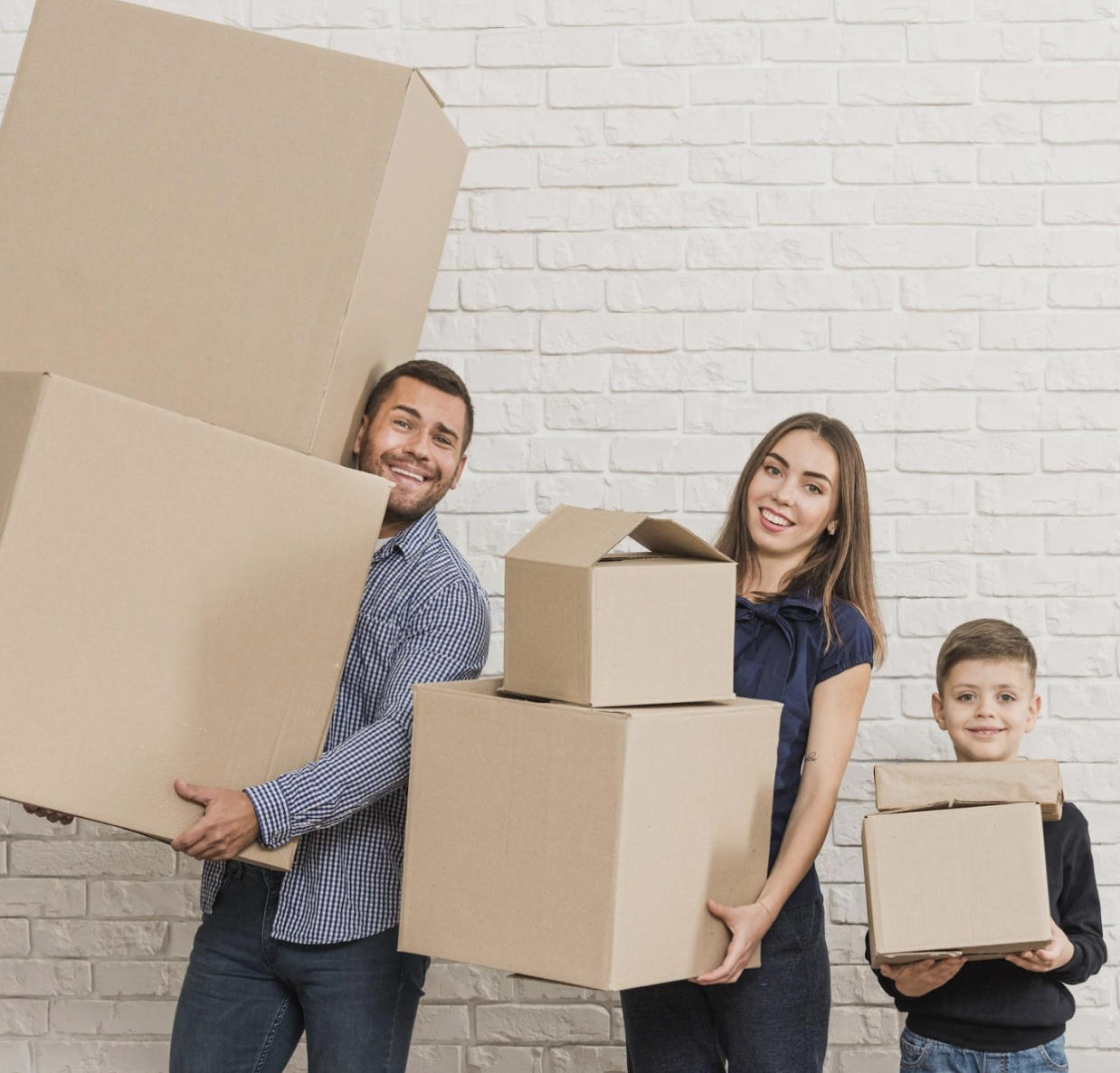
A common mistake is filling one large box with books or dishes. Not only does this make the box nearly impossible to lift safely, but it also increases the risk of the box breaking open during the move.
General Rule of Thumb:
- Use smaller size boxes for heavy items ( such as: books, dishes, tools).
- Use large boxes for light items ( for: clothes, pillows, bedding).
- Never exceed 50 pounds per box.
Special Considerations for Long-Distance Packing
Weather Conditions
If you’re moving in winter, snow and rain protection is very important. Use eco-friendly plastic bins or wrap boxes with waterproof material to avoid damage from snow or slush. In summer, avoid leaving items such as electronics or candles in hot trucks for long periods.
Insurance and Expensive Items
It is always a good idea to insure high valuable items such as antiques, artwork, or electronics. Even the best packing methods can’t always protect against unexpected accidents.
Essentials Box
Pack a separate box or suitcase with items you’ll need in the first 24 - 48 hours: toiletries, medications, chargers, and a few kitchen basics.
Common Packing Myths
Some people believe towels and clothes provide enough protection for fragile items. It is partially true and they can help as extra padding, they don’t replace proper packing supplies. Others think labeling is unnecessary because they’ll “remember what’s inside.” After hours of unloading, fatigue makes memory unreliable.
Taking shortcuts may save time up front, but they often cost more in the long run in damaged items.
Packing for a long-distance move is more about strategic preparation. By using tips such as: sturdy boxes, labeling properly, protecting furniture, and keeping weight balanced, you will reduce the risk of damage and unwanted stress.
Long-distance moving isn’t just about transportation, it’s about arriving in your new home with your belongings intact and your peace of mind preserved. If you want support beyond packing, working with a trusted moving company in Calgary can help ensure your relocation is safe, efficient, and well-organized.