Source:(https://res.insta360.com/static/4cbfa63056f822194cd6519310b07837/Invisible%20Selfie%20Stick_EN.jpg)
Filming in saltwater offers stunning visuals and unique storytelling opportunities, but it comes with hidden challenges that can catch you off guard. From equipment corrosion to unpredictable water conditions, the saltwater environment tests both your gear and your creativity. Without proper preparation, your dream shots could turn into costly setbacks.
In this article, you'll uncover the common obstacles filmmakers face in saltwater settings and learn practical strategies to overcome them. Whether you're a seasoned professional or a passionate hobbyist, understanding these challenges will help you protect your equipment, improve your workflow, and capture breathtaking footage with confidence.
Understanding the Unique Environment of Saltwater Filming
Saltwater environments present challenges and opportunities for filmmakers. Grasping the specific conditions helps you prepare for successful shoots.
Effects of Saltwater on Camera Equipment
Saltwater promotes corrosion, especially for metal components. Camera housings and tripods face significant wear over time. Seals can degrade, increasing the risk of water ingress. Regular rinsing with freshwater minimizes salt residue. Use protective enclosures to limit direct exposure and protect mechanical parts. Pack desiccants to manage internal moisture and prevent fogging.
Challenges of Underwater Visibility and Lighting
Water clarity varies due to salinity, particles, and algae, reducing visibility. Murky conditions obscure subjects, complicating framing and focus. Avoid shooting during turbulent tides when sediments rise. Natural light attenuates quickly underwater, especially reds and yellows. Supplement sunlight with adjustable artificial lighting to enhance color and contrast. A 360 waterproof camera can be especially useful in these situations, capturing a broader scene even in low-visibility conditions.
Impact of Wildlife and Natural Elements
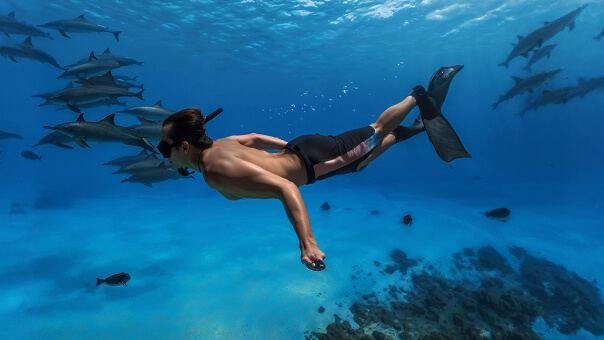
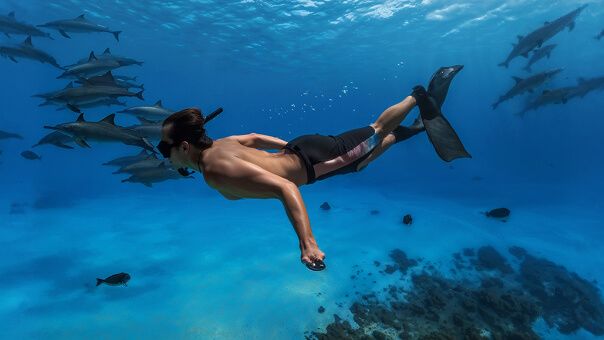
Marine wildlife introduces unpredictable movements. Fish schools or larger creatures may disrupt shots. Sudden appearance of predators alters the dynamic of filming. Tides and currents affect stability, while waves introduce motion to gear. Study tides and behavior patterns to anticipate changes and maintain camera focus amidst shifts.
Equipment Preparation and Protection Strategies
Filming in saltwater environments can expose your gear to unique challenges. Effective preparation and protective measures are necessary to ensure long-lasting equipment performance.
Choosing Saltwater-Compatible Gear
Use gear specifically engineered for saltwater immersion. Cameras, lights, and accessories with corrosion-resistant materials and seals are more reliable in such environments.
Check technical specifications for resistance levels. For instance, stainless steel or anodized aluminum components offer better protection against rust. Opt for simple designs with fewer parts exposed to water.
Waterproofing and Housing Solutions for Cameras
Use waterproof housings made from durable materials like polycarbonate or acrylic. These provide a physical barrier, critical in protecting cameras from salt intrusion.
Ensure housings are rated for your filming depth. For instance, select enclosures classified to 100 feet if filming below standard scuba diving depths. Monitor all seals and latches to avoid accidental leaks.
Regular Maintenance to Combat Corrosion
Rinse all equipment with freshwater after every saltwater session. Pay close attention to joints, screws, and fine mechanisms where salt accumulates.
Dry components thoroughly. Use desiccants or dry boxes to remove residual moisture. Apply anti-corrosion solutions to metal parts to extend durability over time.
Overcoming Practical Filming Obstacles
Techniques to Maintain Clear Underwater Footage
Protecting your camera from saltwater is critical. Use watertight housing rated for your shooting depth to shield equipment from pressure and moisture. Ensure every seal is intact to prevent leaks.
Calibrate buoyancy before filming. Attaching small floats or weights can stabilize your equipment in water. Test in controlled settings to identify balance issues.
Maintaining flexibility is possible with remote control devices. Adjust focus, exposure, or other settings from the surface without disturbing the scene.
Managing Buoyancy and Stability
Achieving proper buoyancy simplifies underwater filming. Weigh your camera in water and add flotation aids to offset its negative buoyancy. This improves maneuverability and reduces strain.
Stabilization reduces unsteady frames. Specialized mounts, such as those with neutral buoyancy or harness systems, help you maintain smooth motion in unpredictable environments.
Conduct trial setups. Controlled testing conditions, like pools, reveal how different configurations perform.
Addressing Communication Challenges Underwater
Traditional communication fails underwater. Use specialized tools like underwater slates or light signals to coordinate actions effectively.
Predefine signals with your team to streamline interactions. Agreeing on basic cues avoids confusion during critical moments.
An experienced crew is invaluable. Crew members skilled in underwater filming can adapt quickly to challenges and improve on-set efficiency.
Safety Considerations for Saltwater Shoots
Filming in saltwater creates unique challenges for both crew and equipment. Planning and preparation reduce risks and increase success.
Ensuring the Safety of Crew and Equipment
Prioritize extensive pre-shoot planning to address hazards such as strong currents and unpredictable marine life. Research weather patterns and tidal changes to schedule shoots safely.
Use water-resistant housing to shield gear from salt exposure. Immediately rinse equipment with freshwater after exposure to halt corrosion and maintain functionality.
Train your team thoroughly. Divers must stay alert to surrounding conditions, use proper signals, and manage buoyancy to prevent accidents.
Understanding Local Marine Conditions and Hazards
Study tidal data, underwater terrain, and marine behaviors. Strong currents, hidden obstacles, and territorial wildlife can disrupt shooting or pose safety threats.
Hire local experts familiar with the ecosystem. Their insights on conditions, entry points, and potential hazards improve safety and shooting efficiency.
Collaborate with knowledgeable guides to navigate complexities and take informed actions while filming underwater.
Tips for Success in Saltwater Filming
Prepare thoroughly and use effective strategies to address saltwater filming challenges. Adaptation and expertise can significantly improve your results.
Planning Ahead for Unpredictable Conditions
Environmental factors like currents, tides, and weather shifts can disrupt saltwater shoots. Conduct thorough scouting of the location to identify potential obstacles and ideal shooting times. Plan flexible schedules to adjust for sudden shifts in weather or water clarity. Outline secondary shot plans so progress continues during delays.
Leveraging Expert Advice and Local Knowledge
Local experts provide valuable insights into water behavior and marine ecology. Collaborate with guides who understand regional conditions and can suggest optimal locations. An experienced underwater crew familiar with saltwater setups increases efficiency and minimizes error under changing conditions. Pairing this knowledge with reliable gear like an Insta360 ensures you’re ready to capture dynamic footage in even the most unpredictable marine environments.
Practicing Patience and Adaptability
Underwater filming requires time for task execution, as visibility and mobility differ from surface conditions. Build buffer time into schedules for adjusting buoyancy or clearing views obstructed by sediment. Allow creative flexibility by being open to alternate shot compositions when natural conditions shift unpredictably.
Conclusion
Filming in saltwater environments offers incredible creative opportunities, but it also comes with unique challenges that demand careful planning and preparation. By equipping yourself with the right tools, maintaining your gear, and mastering underwater techniques, you can overcome these obstacles and capture breathtaking footage.
Success in saltwater filming hinges on adaptability, collaboration with experienced professionals, and a commitment to safety. When you approach each shoot with patience and a well-prepared strategy, you'll not only protect your equipment but also ensure a smoother, more rewarding production process.